Our Posts

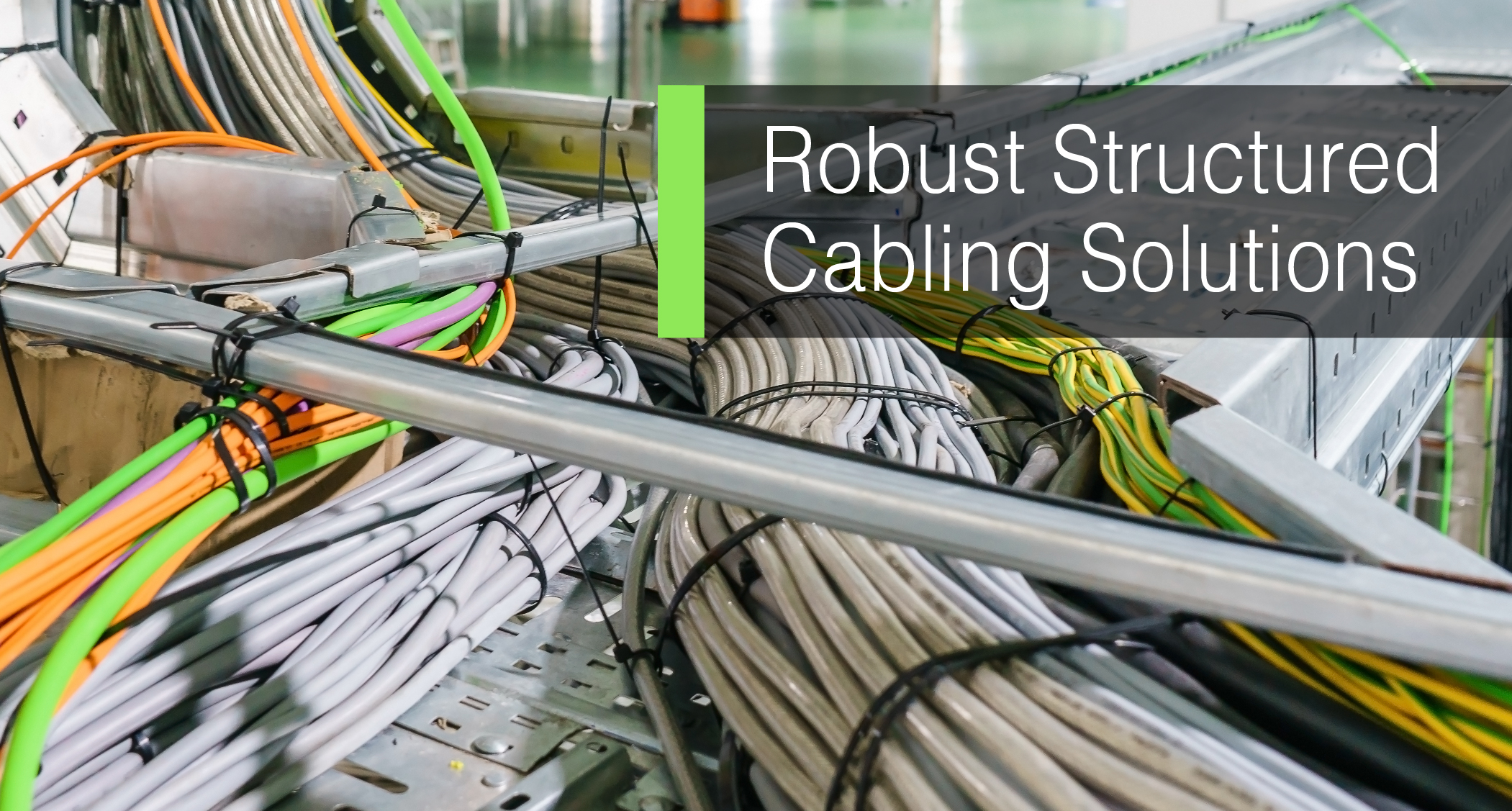
EMPOWERING INDUSTRIAL CONTRACTORS WITH STRUCTURED CABLING SOLUTIONS

In the fast-paced world of industrial contracting, where efficiency and reliability are paramount, the importance of robust structured cabling solutions cannot be overstated. As a purchasing professional in this dynamic field, you understand the critical role that seamless communication and data connectivity play in the success of every project. This article aims to delve into the intricacies of structured cabling installation, solutions, and maintenance, offering insights that resonate with your responsibilities and challenges.

Understanding Structured Cabling: Foundation of Connectivity

Structured cabling forms the backbone of modern industrial environments, facilitating the efficient transmission of data, voice, and video signals across various platforms. Whether it’s within commercial spaces, data centers, or even residential settings, structured cabling ensures a reliable network infrastructure that supports daily operations and technological advancements.

Structured Cabling Installation and Solutions

The installation of structured cabling involves meticulous planning and execution to meet the specific needs of industrial contractors like yourself. It encompasses:

  • Commercial Structured Cabling: Tailored solutions for large-scale commercial projects ensuring seamless connectivity across office spaces and industrial facilities.
  • Office Structured Cabling: Designing and implementing cabling systems optimized for office environments, enhancing productivity and operational efficiency.
  • Data Center Structured Cabling: Critical infrastructure for data centers, supporting high-density server environments and ensuring minimal downtime.

Benefits of Structured Cabling Infrastructure

Investing in a robust structured cabling infrastructure offers numerous advantages:

  • Scalability: Easily expand and upgrade your network infrastructure as your business grows, without compromising performance.
  • Reliability: Minimize network disruptions and downtime, ensuring uninterrupted operations and client satisfaction.
  • Flexibility: Accommodate various network technologies and future-proof your infrastructure to adapt to evolving industry standards and technological advancements.

Navigating Challenges: Solutions for Industrial Contractors

As a purchasing professional, you’re tasked with selecting the right structured cabling contractors and solutions providers. Here’s how to navigate some common challenges:

Choosing the Right Partner

Selecting a reliable structured cabling contractor is crucial. Look for:

  • Expertise and Experience: Partner with contractors with a proven track record in industrial environments and a deep understanding of your unique requirements.
  • Comprehensive Services: Seek providers offering end-to-end solutions—from design and installation to maintenance and upgrades.
  • Compliance with Standards: Ensure adherence to industry standards and regulations to guarantee quality and reliability.

Structured Cabling Maintenance

Regular maintenance is key to optimizing performance and prolonging the lifespan of your cabling infrastructure:

  • Scheduled Inspections: Conduct routine inspections to identify and address potential issues before they escalate.
  • Proactive Upgrades: Stay ahead of technological advancements and industry standards by planning for structured cabling upgrades as needed.

Innovations in Structured Cabling: Meeting Future Demands

The landscape of structured cabling is continually evolving, driven by technological innovations and industry trends:

Fiber Optic Internet Cabling

Embrace the speed and reliability of fiber optic cabling for enhanced data transmission capabilities, ideal for high-speed industrial applications.

Network Cabling Solutions

Explore advanced network cabling solutions tailored to meet the specific demands of industrial environments, including enterprise network setups and professional network designs.

Empowering Your Role with Knowledge and Solutions

In conclusion, structured cabling plays a pivotal role in the success of industrial contracting projects. By investing in reliable infrastructure and partnering with reputable contractors, you can ensure seamless connectivity and operational efficiency. As a purchasing professional, your decisions shape the technological backbone of your organization, impacting productivity, reliability, and ultimately, client satisfaction.

Empower yourself with the knowledge and resources needed to navigate the complexities of structured cabling installation, solutions, and maintenance. Stay informed about industry standards, technological advancements, and best practices to make informed decisions that drive success.

In the ever-evolving landscape of industrial contracting, structured cabling remains a cornerstone of connectivity and operational excellence. Embrace innovation, prioritize reliability, and leverage strategic partnerships to propel your organization forward.


_______________________________________________________________________________________________________________________________________

Schedule a call today with one of our team members to discuss your Managed IT services needs with Megawire – For more details, Click Here.

_______________________________________________________________________________________________________________________________________


This blog is not meant to provide specific advice or opinions regarding the topic(s) discussed above. Should you have a question about your specific situation, please discuss it with your Megawire IT advisor.

Megawire is a full-service Managed IT services provider. We primarily service all of Ontario and the rest of Canada, the US, and Australia virtually. Our team provides IT infrastructure assessments, network security audits, cloud computing solutions, and IT support for businesses of all sizes and industries.

If you would like to schedule a call to discuss your Managed IT services with one of our team members, please complete the free no-obligation meeting request. – For more details, Click Here.


EXPANDING CAPABILITIES OF MEDIUM-SIZED MANAGED IT SERVICES WITH CLOUD INTEGRATION

Cloud computing has revolutionized the IT landscape, offering unprecedented flexibility, scalability, and cost-efficiency. Medium-sized Managed IT Services (MSPs) can significantly benefit from integrating cloud-based services into their offerings. This article explores the benefits and risks associated with cloud computing and how it can help MSPs expand, integrate, and amplify their capabilities to deliver superior services to their clients.

Benefits of Cloud Computing for MSPs

  1. Scalability and Flexibility:
    • On-Demand Resources: Cloud-based services allow MSPs to scale resources up or down based on demand, ensuring they can handle client needs efficiently without the overhead of maintaining physical infrastructure.
    • Subscription-Based Model: MSPs only pay for what they use, reducing capital expenditure and enabling better financial management.
  1. Enhanced Capabilities:
    • Advanced Tools and Applications: Cloud platforms offer a plethora of tools and applications that can enhance the service portfolio of MSPs. This includes advanced analytics, AI, and machine learning tools that can provide added value to clients.
    • Faster Deployment: IT services can be rolled out more quickly compared to traditional on-premises solutions, allowing MSPs to respond rapidly to client needs.
  1. Cost Efficiency:
    • Reduced Maintenance: With the CSP responsible for hardware and maintenance, MSPs can redirect their internal resources towards more strategic initiatives.
    • Space Recovery: By moving to the cloud, MSPs can recover valuable physical space previously used for servers and other hardware.
  1. Improved Security:
    • CSP Security Protocols: CSPs implement robust security measures to protect the cloud infrastructure. MSPs can leverage these protections to enhance their security posture.
    • Compliance: Cloud providers often adhere to stringent compliance standards, which can help MSPs meet regulatory requirements more easily.


Risks of Cloud Computing

  1. Loss of Control:
    • Dependency on CSPs: MSPs must rely on CSPs for the security and availability of their services, which can be a concern if the CSP’s policies and practices do not align perfectly with their own.
    • Visibility Issues: Reduced visibility into the underlying infrastructure can make it challenging to ensure complete control over security and performance.
  1. Security and Privacy Concerns:
    • Data Breaches: Storing sensitive information in the cloud introduces the risk of data breaches if the CSP’s security measures are compromised.
    • Data Residency: Regulatory requirements regarding data residency can complicate the use of cloud services, particularly for organizations handling sensitive information.
  1. Vendor Lock-In:
    • Migration Challenges: Moving to a different CSP can be challenging and costly, leading to potential vendor lock-in scenarios.
    • Financial Obligations: Long-term contracts with CSPs can impose financial obligations that are difficult to renegotiate.

Enhancing MSP Capabilities

  1. Collaboration and Governance:
    • Joint Strategies: Collaborating with other IT partners can help develop integrated strategies that enhance service delivery. This includes co-creating governance mechanisms that define clear roles and responsibilities, ensuring seamless operations.
    • Engagement with Stakeholders: By involving key stakeholders in planning and decision-making, all parties can work towards common objectives, enhancing the overall service quality.
  1. Leveraging Advanced Tools and Applications:
    • Cloud Platforms: Expertise in cloud platforms like AWS, Microsoft Azure, and Google Cloud can help MSPs integrate advanced tools and applications into their service offerings. This includes leveraging AI, machine learning, and big data analytics to provide value-added services.
    • Customized Solutions: MSPs can customize cloud solutions to meet specific client needs, ensuring optimal performance and satisfaction.
  2. Security and Compliance:
    • Enhanced Security Measures: Implementing advanced security measures, including multi-factor authentication, encryption, and intrusion detection systems, ensures that client data is protected at all times.
    • Compliance Assistance: Extensive experience in navigating regulatory landscapes can help MSPs ensure compliance with industry standards and legal requirements, reducing the risk of penalties and reputational damage.
  1. Data Residency and Sovereignty:
    • Strategic Data Placement: Designing strategies for data residency that comply with local regulations while optimizing performance and cost-efficiency is crucial.
    • Hybrid Solutions: For clients with stringent data residency requirements, hybrid solutions that combine on-premises and cloud-based services can provide the best of both worlds.
  1. Training and Support:
    • Upskilling IT Teams: Providing training programs to help MSPs upskill their IT teams ensures they are proficient in managing cloud-based services and can deliver top-notch support to clients.
    • Ongoing Support: Offering ongoing support to MSPs helps them navigate challenges and optimize their service delivery.
  1. Disaster Recovery and Business Continuity:
    • Robust Recovery Solutions: Expertise in disaster recovery and business continuity planning can help MSPs implement robust recovery solutions. This ensures that client operations can continue with minimal disruption in the event of an outage or cyberattack.
    • Proactive Measures: By adopting proactive measures, such as regular testing and updates, MSPs can ensure that their disaster recovery plans remain effective and up-to-date.

For medium-sized MSPs looking to expand their capabilities, integrate advanced technologies, and amplify their service offerings, adopting cloud-based services presents an invaluable opportunity. By leveraging cloud expertise, MSPs can enhance their service quality, ensure compliance, and provide robust security measures to their clients.

In a rapidly evolving IT landscape, the ability to adapt and innovate is crucial. With a focus on collaboration, security, and continuous improvement, MSPs can deliver exceptional services that meet the diverse needs of their clients. For those MSPs seeking to navigate this complex landscape effectively, partnering with a seasoned player like Megawire can make a substantial difference. With extensive experience in managing large projects such as commercial buildings and stadiums, Megawire can provide the expertise and support necessary to ensure seamless integration and operation of cloud services. By choosing Megawire, MSPs can focus on what they do best while leveraging top-tier cloud solutions to enhance their offerings.

_______________________________________________________________________________________________________________________________________

Schedule a call today with one of our team members to discuss your Managed IT services needs with Megawire – For more details, Click Here.

_______________________________________________________________________________________________________________________________________


This blog is not meant to provide specific advice or opinions regarding the topic(s) discussed above. Should you have a question about your specific situation, please discuss it with your Megawire IT advisor.

Megawire is a full-service Managed IT services provider. We primarily service all of Ontario and the rest of Canada, the US, and Australia virtually. Our team provides IT infrastructure assessments, network security audits, cloud computing solutions, and IT support for businesses of all sizes and industries.

If you would like to schedule a call to discuss your Managed IT services with one of our team members, please complete the free no-obligation meeting request. – For more details, Click Here.
Developing Your IT Recovery Plan: Essential Steps for Manufacturing Companies

In the manufacturing industry, unplanned outages, cyber-attacks, and natural disasters can bring production to a halt, causing significant financial loss and operational disruption. Ensuring your company can quickly recover from such incidents is critical for maintaining business continuity. An effective IT recovery plan, tailored to your company’s specific needs, can make the difference between a minor hiccup and a major catastrophe. Here’s how manufacturing companies can develop a robust IT recovery plan.

The Importance of an IT Recovery Plan

Unplanned downtime can have devastating effects on manufacturing operations. It’s not just about lost production time but also about the potential loss of critical data and the impact on the supply chain. An IT recovery plan ensures that your company can quickly restore essential services and continue operations with minimal disruption.

Understanding Business Disruption Tolerance

Before developing an IT recovery plan, it’s crucial to understand your business’s disruption tolerance. This involves determining the maximum tolerable downtime (MTD), recovery point objective (RPO), and recovery time objective (RTO).

  1. Maximum Tolerable Downtime (MTD): This is the total length of time a process can be unavailable without causing significant harm to your business. Understanding MTD helps prioritize which systems and processes need immediate attention during an outage.
  2. Recovery Point Objective (RPO): RPO measures the amount of data loss your organization can tolerate. It helps in determining the frequency of data backups. For example, if your RPO is one hour, you should have backups at least every hour to prevent significant data loss.
  3. Recovery Time Objective (RTO): RTO is the planned time and level of service needed to meet the minimum expectations of the system owner. It defines how quickly you need to restore your systems to resume critical business functions.

Identifying Critical Business Functions, Applications, and Data

To create an effective IT recovery plan, you need to identify the critical data, applications, and processes essential to your business operations. This includes financial records, proprietary assets, and personal data. Conducting a business impact analysis (BIA) can help predict how disruptions will affect your operations and prioritize which systems to restore first.

Creating Your Recovery Plan

1. Identify Stakeholders

Identify key stakeholders, including clients, vendors, business owners, system owners, and managers. Ensuring all relevant parties are involved in the planning process helps create a comprehensive and effective recovery strategy.

2. Define Roles and Responsibilities

Clearly define the roles and responsibilities of your response team members. Each member should know their specific tasks and how they contribute to the recovery process.

3. Take Inventory of Assets

Maintain an up-to-date inventory of all hardware and software assets. Knowing what you have is crucial for planning your recovery strategy and ensuring you can quickly replace or restore any damaged components.

4. Set Recovery Objectives

Set clear recovery objectives for each critical business function, application, and data set. These objectives should align with your MTD, RPO, and RTO.

5. Define Backup and Recovery Strategies

Choose backup and recovery strategies that meet your business needs. This may include disk mirroring, storage replication, or a combination of on-premises and cloud-based recovery solutions.

6. Develop a Communications Plan

Develop a communications plan to inform key stakeholders about the status of recovery efforts during an outage. Clear communication helps manage expectations and ensures everyone is aware of their roles and responsibilities.

7. Train Employees

Develop a training program to ensure employees understand their roles and responsibilities during an unplanned outage. Regular training helps keep the recovery plan fresh in everyone’s mind and ensures a quick and efficient response.

8. Engage Managed Service Providers (MSPs)

Consider engaging MSPs to assist with your recovery efforts. MSPs can provide additional resources and expertise to help ensure a smooth recovery process.

Choosing Your Recovery Strategy

When implementing your recovery strategy, consider the following options:

Hot, Warm, or Cold Site

  • Hot Site: A fully functional backup site with the same servers and equipment as your primary site. It operates in real time, minimizing downtime and data loss.
  • Warm Site: A backup site with network connectivity and some equipment installed. It requires setup to function at full capacity but offers a balance between cost and recovery time.
  • Cold Site: A backup site with minimal or no equipment. It requires significant time and resources to set up, making it the most cost-effective but slowest recovery option.

Disk Mirroring

Disk mirroring replicates data on two or more hard drives, automatically switching to a standby server during unplanned downtime. Ensure mirrored copies are backed up to a separate server or location without being affected by the outage.

Storage Replication

Storage replication copies data in real time from one location to another over a network. This can be done synchronously (in real-time) or asynchronously (on a defined schedule).

Cloud vs. On-Premises Recovery

Cloud-based recovery platforms offer flexibility and cost savings by allowing you to back up data frequently and access it from anywhere. They also reduce the need for a separate offsite recovery site.

Testing Your Plan

Testing is a critical component of an effective IT recovery plan. Regular testing helps identify inconsistencies and areas needing revision. Consider the following test strategies:

  1. Checklist: Review and explain the steps of the recovery plan.
  2. Walkthrough: Walkthrough steps without enacting them to identify potential issues.
  3. Simulation: Simulate an incident or disaster to familiarize the recovery team with their roles and responsibilities.
  4. Parallel Test: Set up and test recovery systems to ensure they can support key processes while keeping main systems in full production mode.
  5. Cutover Test: Set up recovery systems to assume all business operations, disconnecting primary systems to test the full recovery process.

Developing a robust IT recovery plan is essential for manufacturing companies to ensure business continuity during unplanned outages. By understanding your business disruption tolerance, identifying critical business functions, and choosing the right recovery strategy, you can minimize downtime and financial loss. Regular testing and training ensure your recovery plan remains effective and ready for implementation when needed.

Engage with MSPs to leverage their expertise and resources, ensuring a smooth recovery process. In the fast-paced world of manufacturing, having a well-prepared IT recovery plan can mean the difference between a minor disruption and a major catastrophe.

References
  1. Canadian Centre for Cyber Security
  2. National Institute of Standards and Technology (NIST)
  3. International Organization for Standardization (ISO)

_______________________________________________________________________________________________________________________________________

Schedule a call today with one of our team members to discuss your Managed IT services needs with Megawire – For more details, Click Here.

_______________________________________________________________________________________________________________________________________

This blog is not meant to provide specific advice or opinions regarding the topic(s) discussed above. Should you have a question about your specific situation, please discuss it with your Megawire IT advisor.

Megawire is a full-service Managed IT services provider. We primarily service all of Ontario and the rest of Canada, the US, and Australia virtually. Our team provides IT infrastructure assessments, network security audits, cloud computing solutions, and IT support for businesses of all sizes and industries.

If you would like to schedule a call to discuss your Managed IT services with one of our team members, please complete the free no-obligation meeting request. – For more details, Click Here.

OPTIMIZING MANAGED TECH SERVICES: A PRACTICAL GUIDE TO STRUCTURED CABLING EXCELLENCE

As an IT director immersed in the complexities of managed tech services, you understand that the foundation of any efficient IT infrastructure lies in robust and reliable structured cabling. This article aims to delve deep into the nuances of structured cabling installation, solutions, and best practices, tailored to empower your role and address the unique challenges within the realm of information technology.

Understanding the Essence of Structured Cabling

Structured cabling forms the backbone of modern IT networks, encompassing a standardized approach to organizing and managing intricate network infrastructures. Whether you’re overseeing the connectivity needs of commercial buildings, data centers, or office environments, a well-designed structured cabling system is essential for seamless operations and future scalability.

Key Elements of Structured Cabling

Structured cabling encompasses a wide array of elements essential to its functionality and effectiveness:

  • Commercial Structured Cabling: Tailored solutions designed to meet the rigorous demands of commercial properties, ensuring high-speed connectivity and minimal downtime.
  • Data Center Structured Cabling: Robust infrastructure capable of supporting extensive data transmission and storage requirements within mission-critical environments.
  • Office Structured Cabling: Optimized layouts and configurations to facilitate efficient communication and collaboration across office spaces.

Practical Considerations for IT Directors

As an IT director, navigating the complexities of structured cabling installation requires a strategic approach and meticulous planning. Here are some essential considerations:

Choosing the Right Structured Cabling Contractors

Selecting reputable contractors specializing in structured cabling is crucial:

  • Expertise and Experience: Partner with contractors who are experienced in managing large-scale projects and diverse network environments, such as commercial buildings and stadiums.
  • Comprehensive Services: Seek providers offering end-to-end solutions, from initial design and installation to ongoing maintenance and upgrades.
  • Compliance and Standards: Ensure adherence to industry standards and regulations to guarantee reliability and performance.

Optimizing Structured Cabling Design

Effective design is fundamental to maximizing the efficiency and reliability of structured cabling systems:

  • Scalability: Design systems that can easily accommodate future technological advancements and operational expansions.
  • Flexibility: Incorporate modular designs and configurations that allow for seamless upgrades and modifications as business needs evolve.
  • Integration with Existing Systems: Ensure compatibility and seamless integration with existing IT infrastructure and technologies.

The Role of Structured Cabling in Managed Tech Services

Managed tech services encompass a broad spectrum of IT solutions and support, with structured cabling serving as a cornerstone for success:

Enhanced Connectivity and Efficiency

Implementing advanced structured cabling solutions offers numerous benefits:

  • Improved Reliability: Minimize network disruptions and downtime, ensuring uninterrupted operations and enhanced productivity.
  • Streamlined Maintenance: Simplify troubleshooting and maintenance tasks through organized and accessible cabling layouts.
  • Cost Efficiency: Optimize resource allocation and operational costs by investing in scalable and future-proof cabling solutions.

Introducing Megawire: Your Partner in Structured Cabling Excellence

At Megawire, we specialize in delivering cutting-edge structured cabling solutions tailored to meet the unique needs of IT directors and managed tech service providers. With extensive experience in handling complex projects across various industries, including commercial buildings, stadiums, and more, we are committed to exceeding expectations in reliability, performance, and customer satisfaction.

Our Comprehensive Service Offerings Include:

  • Structured Cabling Installation: Expert installation services customized to your specific requirements and industry standards.
  • Structured Cabling Maintenance: Proactive maintenance programs to ensure optimal performance and longevity of your network infrastructure.
  • Network Cabling Upgrades: Seamless upgrades and expansions to accommodate evolving technological demands and business growth.

Empowering IT Directors with Structured Cabling Excellence

In conclusion, structured cabling is not merely a component of IT infrastructure but a strategic investment in operational efficiency, scalability, and future readiness. As an IT director, your proactive approach to selecting, implementing, and maintaining robust structured cabling solutions is instrumental in driving organizational success and technological innovation.

Partner with Megawire to harness the power of advanced structured cabling solutions and elevate your managed tech services to new heights of excellence. Together, we can build a resilient and agile IT infrastructure capable of supporting your organization’s growth and innovation objectives.


_______________________________________________________________________________________________________________________________________

Schedule a call today with one of our team members to discuss your Managed IT services needs with Megawire – For more details, Click Here.

_______________________________________________________________________________________________________________________________________

This blog is not meant to provide specific advice or opinions regarding the topic(s) discussed above. Should you have a question about your specific situation, please discuss it with your Megawire IT advisor.

Megawire is a full-service Managed IT services provider. We primarily service all of Ontario and the rest of Canada, the US, and Australia virtually. Our team provides IT infrastructure assessments, network security audits, cloud computing solutions, and IT support for businesses of all sizes and industries.

If you would like to schedule a call to discuss your Managed IT services with one of our team members, please complete the free no-obligation meeting request. – For more details, Click Here.

Navigating the Challenges of Structured Cabling in Large Construction Projects

Large-scale construction projects are inherently complex, involving numerous stakeholders, intricate designs, and rigorous timelines. Amidst these challenges, the implementation of structured cabling infrastructure emerges as a crucial element. Structured cabling forms the backbone of modern communication systems, ensuring seamless connectivity, data transfer, and operational efficiency. However, managing structured cabling in such extensive projects poses significant challenges. This article delves into the complexities of structured cabling in large construction projects, offering insights into planning and design, contractor selection, and quality assurance to ensure project success.

Planning and Design

Effective planning and design are paramount for the successful implementation of structured cabling in large construction projects. A well-thought-out design ensures that the cabling infrastructure meets current requirements while allowing for future scalability and technological advancements.

Comprehensive Site Assessment

Before initiating the design process, conducting a thorough site assessment is essential. This involves understanding the layout of the construction site, identifying potential obstacles, and mapping out the areas where cabling will be installed. By assessing the site comprehensively, project managers can anticipate challenges and develop strategies to mitigate them.

Defining Objectives and Requirements

Clearly defining the objectives and requirements of the cabling infrastructure is crucial. This includes determining the type and volume of data traffic, identifying critical areas that require high-speed connectivity, and considering future expansion plans. By aligning the cabling design with the project’s overall goals, project managers can ensure that the infrastructure supports seamless communication and data transfer.

Collaboration with Stakeholders

Collaboration with key stakeholders, including architects, engineers, and IT professionals, is vital during the planning and design phase. Each stakeholder brings unique expertise and insights that contribute to the development of a robust cabling infrastructure. Regular meetings and open communication channels facilitate the exchange of ideas, enabling the design team to address potential issues proactively.

Future-Proofing the Design

Given the rapid advancements in technology, future-proofing the cabling design is essential. This involves incorporating flexible and scalable solutions that can accommodate emerging technologies and increased data demands. For instance, using high-capacity fibre optic cables ensures that the infrastructure can handle higher data rates and longer transmission distances, providing a future-ready solution.

Contractor Selection

Choosing the right structured cabling contractors is a critical decision that significantly impacts the project’s success. The contractors’ expertise, experience, and reliability determine the quality and efficiency of the cabling installation.

Evaluating Expertise and Experience

When selecting contractors, evaluating their expertise and experience in handling large-scale projects is crucial. Contractors with a proven track record in similar projects possess the necessary skills and knowledge to navigate the complexities of structured cabling installations. Requesting references and reviewing past projects can provide valuable insights into their capabilities.

Assessing Certifications and Training

Certifications and training are indicators of a contractor’s commitment to quality and industry standards. Certifications from recognized organizations, such as the Building Industry Consulting Service International (BICSI), demonstrate that the contractors adhere to best practices and possess up-to-date knowledge of industry advancements. Additionally, contractors who invest in continuous training ensure that their team is well-equipped to handle evolving technologies.

Ensuring Compatibility with Project Requirements

Each construction project has unique requirements, and it is essential to select contractors who can align with these specifications. Contractors should be capable of tailoring their services to meet the project’s specific needs, whether it involves implementing complex data centre cabling or installing high-speed internet cabling in office spaces. Compatibility with the project’s scope and objectives ensures a seamless integration of the cabling infrastructure.

Emphasizing Communication and Coordination

Effective communication and coordination between the contractors and the project management team are vital for smooth execution. Contractors should be proactive in providing regular updates, addressing concerns promptly, and collaborating with other stakeholders. Clear communication channels minimize misunderstandings and ensure that the cabling installation progresses according to schedule.

Quality Assurance

Adhering to industry standards and implementing rigorous quality assurance practices are essential to ensure the reliability and longevity of the structured cabling infrastructure.

Adherence to Industry Standards

Industry standards, such as those set by the Telecommunications Industry Association (TIA) and the International Organization for Standardization (ISO), provide guidelines for designing, installing, and maintaining structured cabling systems. Adhering to these standards ensures that the cabling infrastructure meets performance requirements, minimizes interference, and supports future upgrades. Contractors should be well-versed in these standards and incorporate them into every phase of the project.

Implementing Testing and Certification Procedures

Testing and certification procedures are critical to verify the performance and integrity of the installed cabling system. Thorough testing ensures that the cabling meets the specified standards and performs optimally under various conditions. Contractors should conduct comprehensive tests, including continuity testing, attenuation testing, and performance testing for both copper and fibre optic cables. Certification by third-party organizations provides an additional layer of assurance, validating the quality of the installation.

Documentation and Record Keeping

Maintaining detailed documentation and records is an integral part of quality assurance. Documentation should include design plans, installation procedures, testing results, and maintenance guidelines. Comprehensive records facilitate troubleshooting, future upgrades, and compliance with industry regulations. Contractors should provide the project management team with accurate and organized documentation to ensure the long-term reliability of the cabling infrastructure.

Continuous Monitoring and Maintenance

Quality assurance extends beyond the installation phase. Continuous monitoring and regular maintenance are essential to identify and address potential issues before they escalate. Implementing a proactive maintenance schedule ensures that the cabling infrastructure remains in optimal condition, minimizing the risk of downtime and disruptions. Contractors should offer maintenance services and support to ensure the longevity of the installed system.

Structured cabling is the lifeline of modern communication systems, playing a pivotal role in large construction projects. Navigating the challenges of structured cabling requires meticulous planning and design, careful contractor selection, and unwavering commitment to quality assurance. By conducting comprehensive site assessments, collaborating with stakeholders, and future-proofing the design, project managers can lay the foundation for a robust cabling infrastructure. Selecting experienced and certified contractors who align with project requirements ensures seamless execution. Adhering to industry standards, implementing rigorous testing procedures, and maintaining detailed documentation uphold the quality and reliability of the installed system. Ultimately, the successful implementation of structured cabling is instrumental in ensuring the success of large construction projects, enabling seamless connectivity, efficient data transfer, and operational excellence.

In the ever-evolving landscape of construction, structured cabling stands as a critical component that bridges the gap between traditional infrastructure and modern technological demands. By embracing best practices, leveraging expertise, and prioritizing quality, construction projects can navigate the complexities of structured cabling with confidence, setting the stage for successful and future-ready developments.

_______________________________________________________________________________________________________________________________________

Schedule a call today with one of our team members to discuss your Managed IT services needs with Megawire – For more details, Click Here.

_______________________________________________________________________________________________________________________________________

This blog is not meant to provide specific advice or opinions regarding the topic(s) discussed above. Should you have a question about your specific situation, please discuss it with your Megawire IT advisor.

Megawire is a full-service Managed IT services provider. We primarily service all of Ontario and the rest of Canada, the US, and Australia virtually. Our team provides IT infrastructure assessments, network security audits, cloud computing solutions, and IT support for businesses of all sizes and industries.

If you would like to schedule a call to discuss your Managed IT services with one of our team members, please complete the free no-obligation meeting request. – For more details, Click Here.

Securing Managed Tech Services: A CFO’s Guide to Financial Resilience

In the dynamic landscape of Managed Tech Services (MTS), where technological innovation intersects with financial stewardship, the role of a Chief Financial Officer (CFO) is pivotal. As a CFO overseeing financial strategies for MTS companies, your responsibility goes beyond balancing books; it extends to safeguarding financial resources against potential risks and uncertainties inherent in the tech-driven market.

Understanding the Financial Landscape of Managed Tech Services

Managed Tech Services encompass a spectrum of services ranging from cloud computing and cybersecurity to IT infrastructure management and beyond. This sector thrives on delivering cutting-edge solutions while navigating the complexities of budget constraints, regulatory compliance, and client expectations. As a CFO, your strategic decisions profoundly impact not only financial health but also the operational efficiency and competitive edge of your organization.

Navigating Financial Challenges in MTS

Budget Allocation and Cost Management

In MTS, financial planning revolves around optimizing budget allocation to support innovation and operational excellence while managing costs effectively. Balancing investments in technology upgrades, cybersecurity measures, and talent acquisition requires astute financial planning. Understanding the ROI of technological investments and negotiating cost-effective vendor agreements are critical skills that ensure sustainable growth.

Regulatory Compliance and Risk Management

The regulatory landscape governing Managed Tech Services is evolving rapidly, with stringent data protection laws and industry standards (e.g., GDPR, HIPAA) demanding compliance. As a CFO, ensuring adherence to these regulations not only mitigates legal risks but also builds trust with clients who prioritize data security and privacy. Implementing robust risk management frameworks and conducting regular audits are proactive measures to safeguard financial interests and uphold regulatory compliance.

Strategic Financial Decision-Making

Aligning Financial Goals with Business Objectives

Your role as a CFO extends beyond financial oversight; it encompasses aligning financial strategies with broader business objectives. Collaborating closely with executive leadership and department heads, you drive financial transparency and accountability across the organization. This strategic alignment fosters a culture of financial resilience and agility, essential for navigating market fluctuations and seizing growth opportunities in the competitive MTS landscape.

Leveraging Financial Analytics for Informed Decisions

In the era of data-driven decision-making, leveraging financial analytics and KPIs (Key Performance Indicators) empowers CFOs to derive actionable insights. From analyzing revenue trends and profitability ratios to forecasting cash flow and investment returns, robust financial analytics provide a comprehensive view of organizational performance. These insights enable proactive financial planning, identifying potential risks, and capitalizing on emerging market trends to drive sustainable growth.

Empowering Financial Resilience in MTS

Strengthening Financial Controls and Internal Audits

Maintaining rigorous financial controls and conducting regular internal audits are paramount to detecting and mitigating financial risks in MTS. Implementing automated financial reporting systems and ERP (Enterprise Resource Planning) solutions enhances transparency, accuracy, and efficiency in financial operations. These initiatives streamline compliance processes, minimize operational costs, and reinforce financial resilience against unforeseen disruptions.

Embracing Innovation and Adaptation

As technology continues to evolve, CFOs play a pivotal role in evaluating emerging trends and disruptive technologies that redefine MTS landscapes. Embracing innovation through strategic investments in AI (Artificial Intelligence), IoT (Internet of Things), and blockchain technology not only enhances service delivery but also positions MTS companies as industry leaders. Balancing innovation with financial prudence ensures sustainable growth and resilience in an increasingly competitive market.

As a CFO in Managed Tech Services, your commitment to financial stewardship and strategic foresight drives organizational success amidst evolving challenges and opportunities. By leveraging financial expertise, embracing innovation, and prioritizing regulatory compliance, you safeguard financial resilience and foster sustainable growth in the dynamic MTS sector. Empower your organization with proactive financial strategies that navigate complexities and capitalize on transformative opportunities, ensuring a resilient future in Managed Tech Services.

_______________________________________________________________________________________________________________________________________

Schedule a call today with one of our team members to discuss your Managed IT services needs with Megawire – For more details, Click Here.

_______________________________________________________________________________________________________________________________________

This blog is not meant to provide specific advice or opinions regarding the topic(s) discussed above. Should you have a question about your specific situation, please discuss it with your Megawire IT advisor.

Megawire is a full-service Managed IT services provider. We primarily service all of Ontario and the rest of Canada, the US, and Australia virtually. Our team provides IT infrastructure assessments, network security audits, cloud computing solutions, and IT support for businesses of all sizes and industries.

If you would like to schedule a call to discuss your Managed IT services with one of our team members, please complete the free no-obligation meeting request. – For more details, Click Here.
Enhancing Cyber Resilience in the Manufacturing Sector

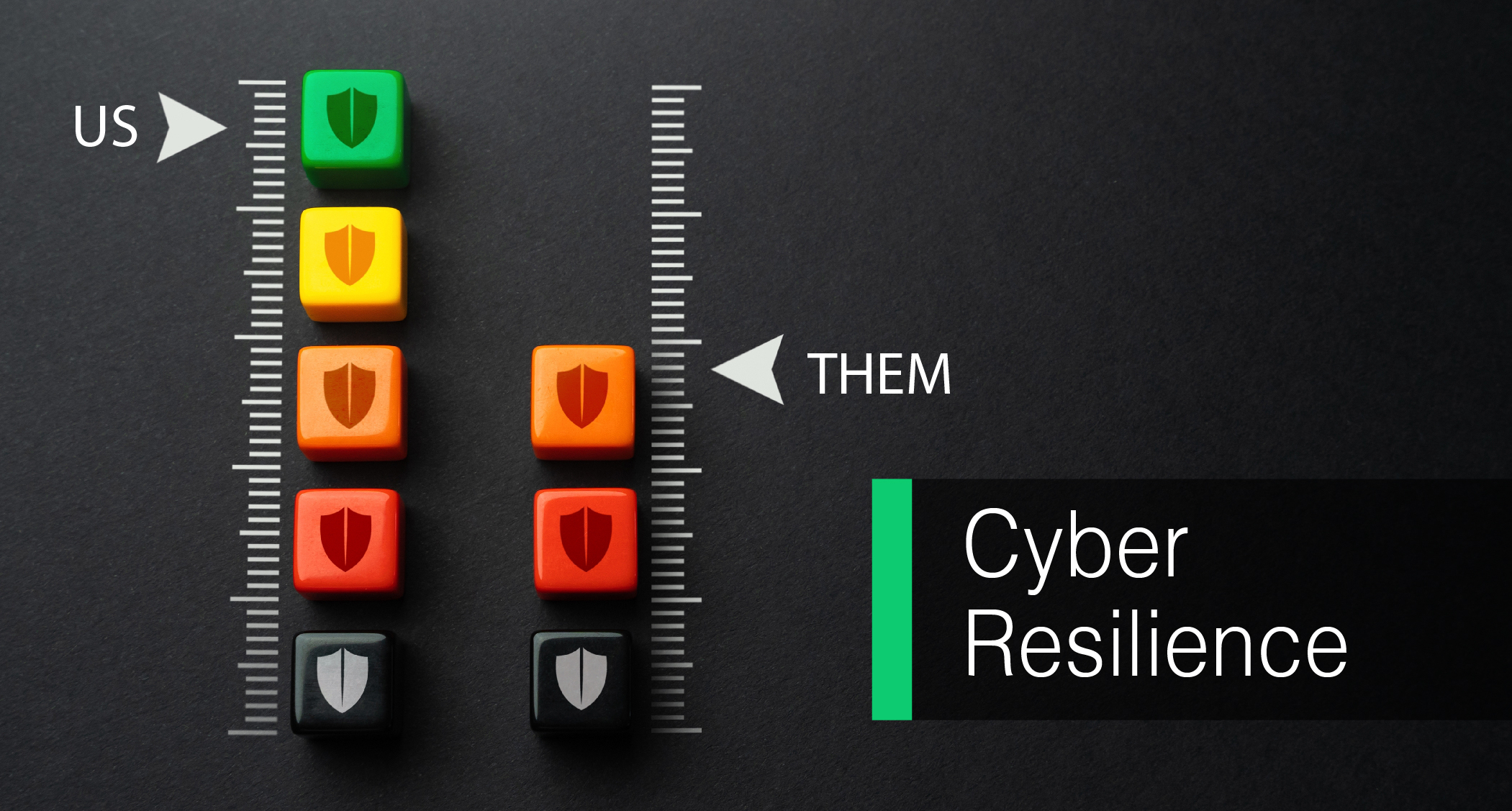
The manufacturing industry, a backbone of the economy, is increasingly reliant on technology and digital systems to manage production, supply chains, and overall operations. However, with this reliance comes significant risk, particularly from cyber threats. As an IT Manager or Operations Director in a manufacturing company, you understand the critical importance of maintaining operational continuity and protecting sensitive data. Transitioning to a cyber resilience approach is essential for minimizing the impact of technology and system outages, safeguarding against cyber attacks, and ensuring the uninterrupted flow of production.

Ensuring Continued Operations During Outages

In the manufacturing environment, even brief outages can result in significant disruptions. The complex interplay between machinery, software, and human operators means that downtime can halt production lines, delay deliveries, and lead to substantial financial losses. Cyber resilience focuses on not just preventing outages but ensuring that operations can continue seamlessly even when disruptions occur.

Imagine a scenario where a critical system outage occurs due to a cyber attack. Without a robust cyber resilience plan, the production line could be halted for an extended period, leading to delays, unmet deadlines, and financial penalties. However, a well-implemented cyber resilience strategy ensures that backup systems and protocols are in place, allowing production to continue with minimal interruption. This approach involves having redundant systems, regular data backups, and well-rehearsed incident response plans. By focusing on reducing the impact of outages, manufacturing companies can maintain production levels and meet their operational goals even in the face of cyber threats.

Cybersecurity Challenges Facing Manufacturing Companies

The manufacturing sector faces unique cybersecurity challenges that require tailored solutions. Ransomware attacks, for example, have become a prevalent threat, capable of crippling a factory’s operations. When a ransomware attack locks down critical systems, it can prevent access to essential data and disrupt the entire production process. The resulting downtime can last for days or even weeks, causing severe financial losses and damaging the company’s reputation.

For instance, consider a factory that produces automotive parts. A ransomware attack could encrypt the data needed to control machinery, track inventory, and manage orders. Without access to this data, the factory cannot operate, leading to halted production lines and delayed shipments. The financial impact is immediate, but the long-term damage to customer trust and brand reputation can be even more detrimental.

To combat these challenges, manufacturing companies need to implement comprehensive cybersecurity measures. This includes regular updates and patches to software, robust firewalls and intrusion detection systems, and employee training on recognizing and preventing phishing attacks. Additionally, developing a clear incident response plan that outlines steps to take in the event of a ransomware attack is crucial. This plan should include isolating affected systems, restoring data from backups, and communicating transparently with stakeholders about the incident and recovery efforts.

The Broader Impact of Cyber Attacks on Supply Chains and National Security

Manufacturing companies are not isolated entities; they are integral parts of larger supply chains that span industries and national borders. Cyber criminals target these businesses not only for financial gain but also to disrupt supply chains and, by extension, national security. A successful cyber attack on a manufacturing company can have ripple effects, weakening the supply chain, threatening national security, and endangering the economic stability.

Consider the example of a manufacturing company that produces critical components for the defense industry. A cyber attack that disrupts production can delay the delivery of these components, impacting the readiness and capabilities of defense systems. Similarly, a breach that exposes sensitive information about manufacturing processes and technologies can be exploited by state-sponsored actors for espionage or sabotage.

Small and medium-sized manufacturing companies are often seen as easier targets by cyber criminals. These businesses may lack the resources to implement advanced cybersecurity measures, making them vulnerable to attacks that can lead to identity theft, financial fraud, and intellectual property theft. The consequences of such breaches extend beyond the immediate victim, affecting the entire supply chain and potentially compromising national security.

To address these threats, manufacturing companies must adopt a cyber resilience mindset that goes beyond traditional cybersecurity. This involves not only protecting against attacks but also ensuring that the company can recover quickly and continue operations. Key components of a cyber resilience strategy include:

  1. Risk Assessment and Management: Regularly assess the risk landscape to identify potential vulnerabilities in systems and processes. Implement risk management strategies that prioritize critical assets and functions.
  2. Robust Security Measures: Employ advanced security technologies, such as encryption, multi-factor authentication, and real-time monitoring, to protect against unauthorized access and data breaches.
  3. Incident Response and Recovery Plans: Develop and regularly update incident response plans that outline steps to take during and after a cyber attack. Ensure that these plans are tested and rehearsed with all relevant stakeholders.
  4. Employee Training and Awareness: Conduct ongoing training programs to educate employees about cyber threats and best practices for preventing attacks. Foster a culture of vigilance and proactive security.
  5. Collaboration and Information Sharing: Engage with industry partners, government agencies, and cybersecurity experts to share information about threats and best practices. Collaborative efforts can enhance the overall security posture of the manufacturing sector.

Megawire: Your Partner in Cyber Resilience

For manufacturing companies looking to enhance their cyber resilience, partnering with a trusted and experienced IT service provider like Megawire is a strategic move. Megawire offers a comprehensive suite of services designed to protect and support the digital infrastructure of manufacturing operations.

Megawire’s expertise includes:

  • Structured Cabling Solutions: Designing and implementing robust structured cabling systems that support reliable and secure network operations.
  • Network Cabling Design and Installation: Professional design and installation services that ensure optimal network performance and security.
  • Cybersecurity Solutions: Advanced security measures, including firewalls, intrusion detection systems, and encryption, to protect critical assets and data.
  • Incident Response and Recovery: Rapid response services to contain and mitigate the impact of cyber incidents, ensuring quick recovery and continuity of operations.
  • Employee Training and Awareness Programs: Customized training sessions to raise awareness about cyber threats and best practices for prevention.
  • Collaboration and Information Sharing: Engaging with industry partners and experts to stay ahead of emerging threats and enhance the overall security posture.

By leveraging Megawire’s services, manufacturing companies can build a robust cyber resilience strategy that ensures the protection of critical assets, minimizes downtime, and maintains operational continuity. Megawire’s solutions are tailored to the specific needs of the manufacturing sector, providing the expertise and support needed to navigate the complex cyber threat landscape.

In today’s interconnected world, the manufacturing sector faces significant cybersecurity challenges that can disrupt operations, damage reputations, and threaten national security. Transitioning to a cyber resilience approach is essential for manufacturing companies to mitigate these risks and ensure continued operations. By focusing on reducing the impact of outages, protecting against cyber attacks, and fostering a culture of resilience, manufacturing companies can safeguard their future and contribute to the stability of the broader supply chain.

For manufacturing companies, partnering with a trusted IT service provider like Megawire is a strategic move that enhances cyber resilience and supports operational goals. Megawire’s comprehensive suite of services, from structured cabling solutions to advanced cybersecurity measures, provides the foundation for a robust and resilient digital infrastructure. With Megawire as a partner, manufacturing companies can confidently navigate the challenges of the digital age and ensure the continuity and security of their operations.

_______________________________________________________________________________________________________________________________________

Schedule a call today with one of our team members to discuss your Managed IT services needs with Megawire – For more details, Click Here.

_______________________________________________________________________________________________________________________________________

This blog is not meant to provide specific advice or opinions regarding the topic(s) discussed above. Should you have a question about your specific situation, please discuss it with your Megawire IT advisor.

Megawire is a full-service Managed IT services provider. We primarily service all of Ontario and the rest of Canada, the US, and Australia virtually. Our team provides IT infrastructure assessments, network security audits, cloud computing solutions, and IT support for businesses of all sizes and industries.

If you would like to schedule a call to discuss your Managed IT services with one of our team members, please complete the free no-obligation meeting request. – For more details, Click Here.

Building Cyber Resilience in Industrial Contracting: A Proactive Approach

In the construction and industrial contracting sector, maintaining operational continuity is paramount. For project managers and procurement directors, the impact of downtime can be devastating, affecting everything from project timelines to financial performance. As the digital landscape becomes more integral to construction operations, the necessity of a cyber resilience strategy becomes apparent. Cyber resilience is not just about preventing cyber threats but ensuring that the organization can recover and thrive in the face of these inevitable challenges.

Reducing Downtime with Cyber Resilience

Downtime in the construction industry can result from various factors, such as equipment failure, logistical issues, and increasingly, cyber-attacks. The reliance on digital tools and data in managing projects means that a cyber-attack can halt operations instantly. A cyber resilience approach ensures that your systems are not only protected but can also recover quickly, minimizing downtime.

For instance, a ransomware attack that locks down project management software could bring a construction site to a standstill. However, with a well-implemented cyber resilience strategy, which includes regular backups, incident response plans, and redundancy in critical systems, the impact can be mitigated. The organization can continue operations with minimal disruption, protecting project timelines and budgets.

An example from the field might be a construction company working on a major infrastructure project. Suppose they fall victim to a malware attack that targets their project management tools. Without a resilience strategy, the project could face significant delays, costing time and money. However, if the company has a comprehensive cyber resilience plan, they can quickly switch to backup systems, restore data, and resume operations with minimal downtime.

Mitigating Risks of Data Breaches, Financial Losses, and Reputational Damage

Prioritizing cybersecurity is a fundamental aspect of protecting an organization’s assets, including data, finances, and reputation. In the construction industry, data breaches can compromise sensitive information such as project details, client contracts, and financial records. The consequences of such breaches extend beyond immediate financial losses to long-term reputational damage and loss of client trust.

A robust cyber resilience strategy helps mitigate these risks by integrating advanced security measures, such as encryption, multi-factor authentication, and real-time monitoring. These measures protect data integrity and confidentiality, ensuring that even if an attack occurs, the data remains secure and inaccessible to unauthorized users.

For instance, consider the scenario where a contractor’s procurement system is breached, exposing sensitive supplier contracts and pricing information. The financial implications of such a breach can be substantial, leading to lost contracts and competitive disadvantage. Additionally, the breach can damage the company’s reputation, making it harder to secure future projects. Implementing cyber resilience strategies, including strong access controls and regular security audits, can prevent such breaches and protect the company’s financial and reputational standing.

The Need for Cyber Resilience Over Cybersecurity

While cybersecurity focuses on protecting systems from attacks, cyber resilience goes a step further. It emphasizes the ability to continue operating despite a cyber incident and recover quickly to prevent long-term damage. This approach is crucial in the construction industry, where projects are often time-sensitive and complex.

Cyber resilience involves integrating robust security measures, risk management strategies, and business continuity practices. It means preparing for potential threats, having a response plan, and ensuring that the organization can bounce back stronger after an attack. This proactive approach ensures that the organization is not just defending against threats but is prepared to manage and mitigate them effectively.

In practical terms, this could involve regular training for staff on recognizing phishing attempts, conducting simulations of cyber-attacks to test the organization’s response, and maintaining an up-to-date inventory of all digital assets and their vulnerabilities. By doing so, the organization creates a culture of resilience, where everyone understands their role in protecting and recovering the company’s assets.

Implementing a Cyber Resilience Strategy

To implement a cyber resilience strategy effectively, industrial contractors should consider the following steps:

  1. Assess Critical Assets and Risks: Identify critical systems, data, and processes that are essential for operations. Understand the specific risks and vulnerabilities associated with these assets.
  2. Develop and Enforce Policies: Establish comprehensive security policies that outline procedures for protecting assets, responding to incidents, and recovering from disruptions. Ensure that these policies are communicated and enforced across the organization.
  3. Regular Training and Awareness: Conduct regular training sessions for employees to raise awareness about cyber threats and best practices for prevention. This includes training on recognizing phishing attempts, secure password practices, and proper data handling procedures.
  4. Invest in Technology: Utilize advanced security technologies such as firewalls, intrusion detection systems, and encryption to protect critical assets. Invest in solutions that offer real-time monitoring and automated response capabilities.
  5. Create Redundancy and Backup Plans: Implement redundancy for critical systems and ensure regular backups of important data. Test backup systems regularly to ensure they can be restored quickly in the event of a disruption.
  6. Develop an Incident Response Plan: Create a detailed incident response plan that outlines the steps to be taken in the event of a cyber incident. This plan should include roles and responsibilities, communication protocols, and procedures for containing and mitigating the impact of the incident.
  7. Engage Stakeholders: Collaborate with key stakeholders, including IT staff, management, and external partners, to ensure a coordinated response to cyber threats. Regularly review and update the cyber resilience strategy based on feedback and lessons learned from incidents.

The Role of Megawire in Enhancing Cyber Resilience

For industrial contractors, partnering with a knowledgeable and experienced IT service provider like Megawire can significantly enhance their cyber resilience. Megawire offers a comprehensive range of services designed to protect and support the digital infrastructure of construction companies.

Megawire’s services include:

  • Structured Cabling Installation and Maintenance: Ensuring robust and reliable network infrastructure to support all digital operations.
  • Commercial and Office Structured Cabling Solutions: Customized solutions tailored to the specific needs of industrial contractors.
  • Data Center Structured Cabling: High-performance cabling systems designed to support data-intensive operations.
  • Network Cabling Design and Installation: Professional design and installation services that ensure optimal performance and security.
  • Cybersecurity Solutions: Advanced security measures to protect against a wide range of cyber threats.
  • Incident Response and Recovery: Rapid response services to contain and mitigate the impact of cyber incidents and support quick recovery.
  • Training and Awareness Programs: Customized training sessions to raise awareness and build a culture of cyber resilience within the organization.

By partnering with Megawire, industrial contractors can focus on their core business operations, confident in the knowledge that their digital infrastructure is secure and resilient. Megawire’s expertise and comprehensive service offerings provide the foundation for a robust cyber resilience strategy, ensuring that contractors can continue to operate effectively and recover quickly in the face of cyber threats.

In the construction and industrial contracting industry, the stakes are high, and the risks associated with cyber threats are ever-present. Transitioning to a cyber resilience approach is not just a strategic advantage but a necessity. By reducing downtime, mitigating risks of data breaches and financial losses, and ensuring continuous operation even in the face of cyber incidents, a cyber resilience strategy can safeguard the future of your organization.

For industrial contractors, the path to cyber resilience begins with understanding the unique risks and implementing comprehensive measures to protect critical assets. With the support of a trusted partner like Megawire, contractors can build a robust cyber resilience strategy that ensures their operations are secure, resilient, and prepared for whatever the future holds.

_______________________________________________________________________________________________________________________________________

Schedule a call today with one of our team members to discuss your Managed IT services needs with Megawire – For more details, Click Here.

_______________________________________________________________________________________________________________________________________

This blog is not meant to provide specific advice or opinions regarding the topic(s) discussed above. Should you have a question about your specific situation, please discuss it with your Megawire IT advisor.

Megawire is a full-service Managed IT services provider. We primarily service all of Ontario and the rest of Canada, the US, and Australia virtually. Our team provides IT infrastructure assessments, network security audits, cloud computing solutions, and IT support for businesses of all sizes and industries.

If you would like to schedule a call to discuss your Managed IT services with one of our team members, please complete the free no-obligation meeting request. – For more details, Click Here.

Safeguarding Your Business: Comprehensive Ransomware Protection for Managed Tech Services

In the evolving landscape of cyber threats, ransomware has emerged as one of the most formidable challenges for businesses. Managed Tech Services, which often serve as the backbone for IT infrastructure in various organizations, are particularly susceptible to these attacks. This article provides a comprehensive guide on how Managed Tech Services can effectively protect themselves from ransomware, ensuring business continuity and data integrity.

Understanding Ransomware

Ransomware is a type of malicious software designed to block access to a computer system or data until a sum of money is paid. It typically infects systems through phishing emails, malicious downloads, or exploiting vulnerabilities in software.

Types of Ransomware:

  1. Encrypting Ransomware: Encrypts files and demands payment for the decryption key.
  2. Locker Ransomware: Locks users out of their systems and demands a ransom to unlock it.
  3. Scareware: Fake software that claims to have detected a virus and demands payment to fix it.

Common Vectors for Ransomware Attacks:

  • Phishing Emails: The most common method, where users are tricked into opening malicious attachments or links.
  • Malicious Downloads: Downloading infected files from untrusted sources.
  • Exploiting Software Vulnerabilities: Attackers exploit weaknesses in outdated software to gain access.

Current Threat Landscape

The threat landscape for ransomware is continually evolving, with attackers becoming more sophisticated. According to the Canadian Centre for Cyber Security, ransomware attacks have been increasingly targeting businesses of all sizes, causing significant financial and reputational damage.

Recent Examples of Ransomware Attacks:

  • Colonial Pipeline Attack: Disrupted fuel supply across the US East Coast, highlighting vulnerabilities in critical infrastructure. (Source: CISA)
  • JBS Foods Attack: Affected global meat processing operations, showcasing the impact on supply chains. (Source: BBC)

These incidents underscore the importance of robust ransomware protection strategies for Managed Tech Services, which support various business operations.

Preventative Measures

Preventing ransomware attacks requires a multi-layered approach, combining technical defenses with user education.

Best Practices for Preventing Ransomware Infections:

  1. Regular Software Updates: Ensure all systems and software are up to date with the latest security patches.
  2. Employee Training: Conduct regular training sessions on recognizing phishing emails and safe online practices.
  3. Strong Password Policies: Implement strong, unique passwords and encourage the use of multi-factor authentication.
  4. Network Segmentation: Divide the network into segments to limit the spread of ransomware.
  5. Endpoint Protection: Use advanced endpoint protection tools to detect and block ransomware.

Detection and Response

Early detection and swift response are crucial in mitigating the impact of a ransomware attack.

Strategies for Detecting Ransomware Early:

  • Behavioral Analysis Tools: Use tools that monitor system behavior for signs of ransomware activity.
  • Regular Audits: Conduct regular security audits to identify and address vulnerabilities.

Steps to Take Immediately After a Ransomware Attack:

  1. Isolate Infected Systems: Disconnect affected systems from the network to prevent the spread.
  2. Notify Stakeholders: Inform relevant stakeholders, including employees, customers, and partners.
  3. Engage Cybersecurity Experts: Work with cybersecurity professionals to assess the damage and plan recovery.

Importance of Having a Robust Incident Response Plan: A well-documented and tested incident response plan ensures that all team members know their roles and responsibilities during an attack, minimizing confusion and downtime.

Recovery and Mitigation

Recovering from a ransomware attack involves restoring systems and data to their pre-attack state while strengthening defenses to prevent future incidents.

Data Backup Strategies:

  • Regular Backups: Perform regular backups of critical data, both onsite and offsite.
  • Testing Backups: Regularly test backups to ensure they can be restored effectively.

Restoring Systems and Data Post-Attack:

  • Decryption Tools: Use available decryption tools from reputable sources if available.
  • Rebuilding Systems: In some cases, it may be necessary to rebuild affected systems from scratch.

Improving Future Resilience:

  • Post-Incident Review: Conduct a thorough review of the incident to identify gaps in the security posture.
  • Continuous Monitoring: Implement continuous monitoring to detect and respond to threats in real-time.

Ransomware poses a significant threat to businesses, especially those relying on Managed Tech Services. By understanding the nature of ransomware, implementing robust preventative measures, and having a solid response and recovery plan, businesses can significantly reduce their risk and ensure quick recovery in the event of an attack.

Managed Tech Services providers must prioritize comprehensive ransomware protection measures to safeguard their clients’ data and operations. By partnering with Megawire, a leading cybersecurity expert, and investing in their advanced security tools and solutions, businesses can ensure robust defense against ransomware threats. Megawire’s approach fosters a culture of security awareness, providing a holistic and proactive strategy to maintain the integrity and continuity of client services.

For more detailed guidance on ransomware protection, visit the Canadian Centre for Cyber Security’s guidance on ransomware.

_______________________________________________________________________________________________________________________________________

Schedule a call today with one of our team members to discuss your Managed IT services needs with Megawire – For more details, Click Here.

_______________________________________________________________________________________________________________________________________

This blog is not meant to provide specific advice or opinions regarding the topic(s) discussed above. Should you have a question about your specific situation, please discuss it with your Megawire IT advisor.

Megawire is a full-service Managed IT services provider. We primarily service all of Ontario and the rest of Canada, the US, and Australia virtually. Our team provides IT infrastructure assessments, network security audits, cloud computing solutions, and IT support for businesses of all sizes and industries.

If you would like to schedule a call to discuss your Managed IT services with one of our team members, please complete the free no-obligation meeting request. – For more details, Click Here.

Enhancing Cybersecurity Protocols in Manufacturing Operations

In today’s interconnected digital landscape, cybersecurity stands as a cornerstone of operational resilience for manufacturing companies. As Operations Director overseeing a bustling manufacturing plant, your role is pivotal in safeguarding both production continuity and sensitive data against evolving cyber threats. This article aims to empower you with actionable insights to fortify your manufacturing operations’ cybersecurity defences effectively.

The Importance of Cybersecurity in Manufacturing

The convergence of operational technology (OT) and information technology (IT) has revolutionized modern manufacturing. While this digital transformation has brought unprecedented efficiency and connectivity, it has also exposed manufacturing plants to heightened cybersecurity risks. Threat actors are increasingly targeting manufacturing companies, aiming to disrupt operations, steal intellectual property, or compromise sensitive customer information.

Understanding the Cyber Threat Landscape

Cyber threats faced by manufacturing companies are diverse and continually evolving. From ransomware attacks that can paralyze production lines to supply chain vulnerabilities that can compromise product integrity, the stakes are high. As an Operations Director, your vigilance in identifying and mitigating these risks is paramount.

Challenges Faced by Operations Directors in Cybersecurity

Navigating cybersecurity challenges in manufacturing operations can be daunting. Operational complexities, legacy systems, and diverse vendor ecosystems often create vulnerabilities that adversaries can exploit. Balancing stringent cybersecurity measures with operational efficiency is a delicate yet crucial task.

Key Strategies to Strengthen Cybersecurity in Manufacturing Operations

1. Implementing Robust Access Controls

Access control forms the foundation of cybersecurity in manufacturing. By implementing stringent access controls, you can limit unauthorized access to critical systems and data. Segregating administrative and operational networks, utilizing role-based access controls (RBAC), and enforcing least privilege principles are effective strategies.

2. Enhancing Authentication Mechanisms

Authentication mechanisms serve as the frontline defense against unauthorized access. Adopting multi-factor authentication (MFA) ensures that only authorized personnel can access sensitive systems and data, even if passwords are compromised. MFA significantly bolsters cybersecurity resilience, mitigating risks associated with credential theft and brute-force attacks.

3. Securing Industrial Control Systems (ICS)

Industrial control systems (ICS) are integral to manufacturing operations, controlling processes ranging from assembly lines to environmental controls. Securing ICS involves implementing network segmentation, deploying intrusion detection systems (IDS), and conducting regular security assessments to detect and mitigate vulnerabilities proactively.

4. Building a Culture of Cybersecurity Awareness

Effective cybersecurity extends beyond technical measures; it requires fostering a culture of awareness and vigilance among employees. As an Operations Director, promoting cybersecurity training programs, conducting simulated phishing exercises, and encouraging proactive reporting of suspicious activities can empower your workforce to become active participants in cybersecurity defense.

5. Collaborating with Supply Chain Partners

Manufacturing ecosystems are interconnected, encompassing a myriad of suppliers, vendors, and contractors. Collaborating closely with supply chain partners to establish cybersecurity standards, conduct regular audits, and enforce contractual obligations regarding cybersecurity can mitigate supply chain risks and enhance overall resilience.

Overcoming Common Cybersecurity Pitfalls

In the fast-paced world of manufacturing, common pitfalls such as neglecting to update legacy systems, underestimating insider threats, or overlooking the importance of incident response planning can exacerbate cybersecurity vulnerabilities. As an Operations Director, prioritizing proactive risk assessment, continuous monitoring, and rapid incident response readiness can mitigate these risks effectively.

As Operations Director at a manufacturing company, safeguarding your plant’s operations and data against cybersecurity threats is both a challenge and a responsibility. By adopting a proactive approach to cybersecurity, leveraging robust access controls, enhancing authentication mechanisms, fostering a culture of cybersecurity awareness, and collaborating closely with supply chain partners, you can strengthen your manufacturing operations’ resilience against evolving cyber threats. Together, let’s fortify your plant’s cybersecurity defenses to ensure uninterrupted production and safeguard your company’s reputation and intellectual property.

_______________________________________________________________________________________________________________________________________

Schedule a call today with one of our team members to discuss your Managed IT services needs with Megawire – For more details, Click Here.

_______________________________________________________________________________________________________________________________________

This blog is not meant to provide specific advice or opinions regarding the topic(s) discussed above. Should you have a question about your specific situation, please discuss it with your Megawire IT advisor.

Megawire is a full-service Managed IT services provider. We primarily service all of Ontario and the rest of Canada, the US, and Australia virtually. Our team provides IT infrastructure assessments, network security audits, cloud computing solutions, and IT support for businesses of all sizes and industries.

If you would like to schedule a call to discuss your Managed IT services with one of our team members, please complete the free no-obligation meeting request. – For more details, Click Here.

GET IN TOUCH

CONTACT US

End-To-End Private Cloud & Infrastructure As A Service


For inquiries, please leave us your details.