Enhancing Cyber Resilience in the Manufacturing Sector
Posted On August 14, 2024, by Megawire Marketing Team
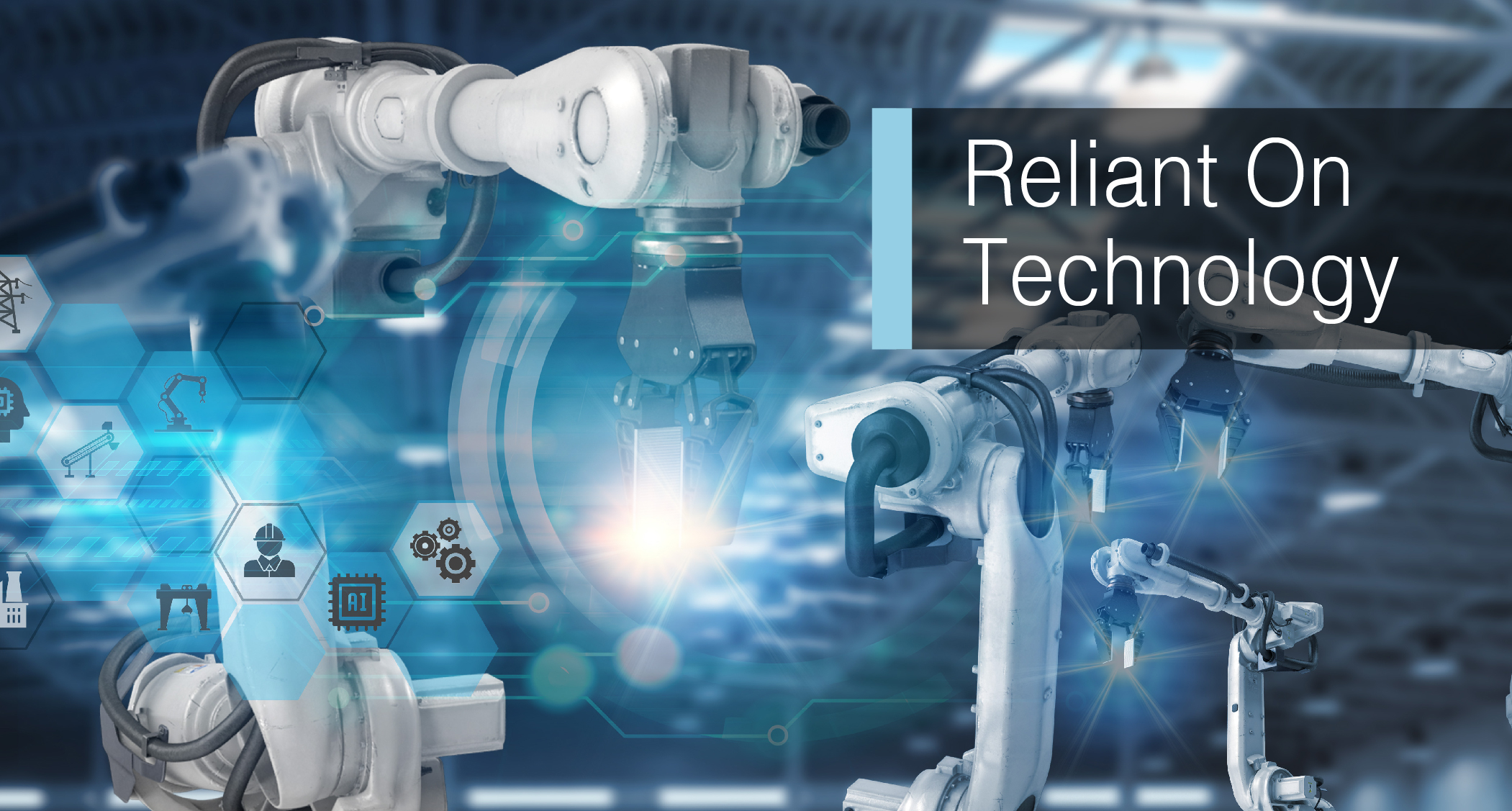
The manufacturing industry, a backbone of the economy, is increasingly reliant on technology and digital systems to manage production, supply chains, and overall operations. However, with this reliance comes significant risk, particularly from cyber threats. As an IT Manager or Operations Director in a manufacturing company, you understand the critical importance of maintaining operational continuity and protecting sensitive data. Transitioning to a cyber resilience approach is essential for minimizing the impact of technology and system outages, safeguarding against cyber attacks, and ensuring the uninterrupted flow of production.
Ensuring Continued Operations During Outages
In the manufacturing environment, even brief outages can result in significant disruptions. The complex interplay between machinery, software, and human operators means that downtime can halt production lines, delay deliveries, and lead to substantial financial losses. Cyber resilience focuses on not just preventing outages but ensuring that operations can continue seamlessly even when disruptions occur.
Imagine a scenario where a critical system outage occurs due to a cyber attack. Without a robust cyber resilience plan, the production line could be halted for an extended period, leading to delays, unmet deadlines, and financial penalties. However, a well-implemented cyber resilience strategy ensures that backup systems and protocols are in place, allowing production to continue with minimal interruption. This approach involves having redundant systems, regular data backups, and well-rehearsed incident response plans. By focusing on reducing the impact of outages, manufacturing companies can maintain production levels and meet their operational goals even in the face of cyber threats.
Cybersecurity Challenges Facing Manufacturing Companies
The manufacturing sector faces unique cybersecurity challenges that require tailored solutions. Ransomware attacks, for example, have become a prevalent threat, capable of crippling a factory’s operations. When a ransomware attack locks down critical systems, it can prevent access to essential data and disrupt the entire production process. The resulting downtime can last for days or even weeks, causing severe financial losses and damaging the company’s reputation.
For instance, consider a factory that produces automotive parts. A ransomware attack could encrypt the data needed to control machinery, track inventory, and manage orders. Without access to this data, the factory cannot operate, leading to halted production lines and delayed shipments. The financial impact is immediate, but the long-term damage to customer trust and brand reputation can be even more detrimental.
To combat these challenges, manufacturing companies need to implement comprehensive cybersecurity measures. This includes regular updates and patches to software, robust firewalls and intrusion detection systems, and employee training on recognizing and preventing phishing attacks. Additionally, developing a clear incident response plan that outlines steps to take in the event of a ransomware attack is crucial. This plan should include isolating affected systems, restoring data from backups, and communicating transparently with stakeholders about the incident and recovery efforts.
The Broader Impact of Cyber Attacks on Supply Chains and National Security
Manufacturing companies are not isolated entities; they are integral parts of larger supply chains that span industries and national borders. Cyber criminals target these businesses not only for financial gain but also to disrupt supply chains and, by extension, national security. A successful cyber attack on a manufacturing company can have ripple effects, weakening the supply chain, threatening national security, and endangering the economic stability.
Consider the example of a manufacturing company that produces critical components for the defense industry. A cyber attack that disrupts production can delay the delivery of these components, impacting the readiness and capabilities of defense systems. Similarly, a breach that exposes sensitive information about manufacturing processes and technologies can be exploited by state-sponsored actors for espionage or sabotage.
Small and medium-sized manufacturing companies are often seen as easier targets by cyber criminals. These businesses may lack the resources to implement advanced cybersecurity measures, making them vulnerable to attacks that can lead to identity theft, financial fraud, and intellectual property theft. The consequences of such breaches extend beyond the immediate victim, affecting the entire supply chain and potentially compromising national security.
To address these threats, manufacturing companies must adopt a cyber resilience mindset that goes beyond traditional cybersecurity. This involves not only protecting against attacks but also ensuring that the company can recover quickly and continue operations. Key components of a cyber resilience strategy include:
- Risk Assessment and Management: Regularly assess the risk landscape to identify potential vulnerabilities in systems and processes. Implement risk management strategies that prioritize critical assets and functions.
- Robust Security Measures: Employ advanced security technologies, such as encryption, multi-factor authentication, and real-time monitoring, to protect against unauthorized access and data breaches.
- Incident Response and Recovery Plans: Develop and regularly update incident response plans that outline steps to take during and after a cyber attack. Ensure that these plans are tested and rehearsed with all relevant stakeholders.
- Employee Training and Awareness: Conduct ongoing training programs to educate employees about cyber threats and best practices for preventing attacks. Foster a culture of vigilance and proactive security.
- Collaboration and Information Sharing: Engage with industry partners, government agencies, and cybersecurity experts to share information about threats and best practices. Collaborative efforts can enhance the overall security posture of the manufacturing sector.
Megawire: Your Partner in Cyber Resilience
For manufacturing companies looking to enhance their cyber resilience, partnering with a trusted and experienced IT service provider like Megawire is a strategic move. Megawire offers a comprehensive suite of services designed to protect and support the digital infrastructure of manufacturing operations.
Megawire’s expertise includes:
- Structured Cabling Solutions: Designing and implementing robust structured cabling systems that support reliable and secure network operations.
- Network Cabling Design and Installation: Professional design and installation services that ensure optimal network performance and security.
- Cybersecurity Solutions: Advanced security measures, including firewalls, intrusion detection systems, and encryption, to protect critical assets and data.
- Incident Response and Recovery: Rapid response services to contain and mitigate the impact of cyber incidents, ensuring quick recovery and continuity of operations.
- Employee Training and Awareness Programs: Customized training sessions to raise awareness about cyber threats and best practices for prevention.
- Collaboration and Information Sharing: Engaging with industry partners and experts to stay ahead of emerging threats and enhance the overall security posture.
By leveraging Megawire’s services, manufacturing companies can build a robust cyber resilience strategy that ensures the protection of critical assets, minimizes downtime, and maintains operational continuity. Megawire’s solutions are tailored to the specific needs of the manufacturing sector, providing the expertise and support needed to navigate the complex cyber threat landscape.
In today’s interconnected world, the manufacturing sector faces significant cybersecurity challenges that can disrupt operations, damage reputations, and threaten national security. Transitioning to a cyber resilience approach is essential for manufacturing companies to mitigate these risks and ensure continued operations. By focusing on reducing the impact of outages, protecting against cyber attacks, and fostering a culture of resilience, manufacturing companies can safeguard their future and contribute to the stability of the broader supply chain.
For manufacturing companies, partnering with a trusted IT service provider like Megawire is a strategic move that enhances cyber resilience and supports operational goals. Megawire’s comprehensive suite of services, from structured cabling solutions to advanced cybersecurity measures, provides the foundation for a robust and resilient digital infrastructure. With Megawire as a partner, manufacturing companies can confidently navigate the challenges of the digital age and ensure the continuity and security of their operations.
_______________________________________________________________________________________________________________________________________
Schedule a call today with one of our team members to discuss your Managed IT services needs with Megawire – For more details, Click Here.
_______________________________________________________________________________________________________________________________________
This blog is not meant to provide specific advice or opinions regarding the topic(s) discussed above. Should you have a question about your specific situation, please discuss it with your Megawire IT advisor.
Megawire is a full-service Managed IT services provider. We primarily service all of Ontario and the rest of Canada, the US, and Australia virtually. Our team provides IT infrastructure assessments, network security audits, cloud computing solutions, and IT support for businesses of all sizes and industries.
If you would like to schedule a call to discuss your Managed IT services with one of our team members, please complete the free no-obligation meeting request. – For more details, Click Here.
Connect With Us
- 24/7 monitoring
- 24/7 monitoring and incident response
- AI Integration
- ANSI/BICSI 002
- Artificial Intelligence
- automatic threat isolation
- Category
- clarity of service scope
- cloud infrastructure
- commercial structured cabling
- Compliance and audit support
- Cost Efficiency
- cross-domain expertise
- Customizable and scalable solutions
- cybersecurity
- cybersecurity audits
- cybersecurity mandates
- cybersecurity service
- cybersecurity solutions
- cybersecurity threats
- data center structured cabling
- design and deploy Zero Trust frameworks
- e-commerce
- education
- Efficiency
- Employee awareness training to prevent phishing
- EN 50173
- Endpoint detection and response
- Endpoint Detection and Response (EDR)
- endpoint devices
- endpoint security
- Energy Efficiency
- Enhanced Performance
- Enhanced Productivity
- essential defense mechanism
- Event Management
- evolving cybersecurity regulations
- fast-growing enterprises
- finance
- fully managed cybersecurity services
- Future-Proofing
- High Capacity
- hybrid environments
- hybrid industrial environments
- identifying anomalies
- identity access management
- Ignoring Standards
- Inadequate Labeling
- Incorrect Testing
- internal security policies
- international and regional cybersecurity regulations
- ISO/IEC 11801
- Long-Distance Connectivity
- managed IT services
- managed LAN services
- micro-segmentation
- Multi-factor authentication
- multi-layered security defense
- network access for manufacturing
- New
- next-gen SIEM deployment and management
- optimisation for factories
- OT-IT convergence
- Outsourcing cybersecurity
- Performance
- Performance transparency
- Ransomware
- ransomware attacks
- ransomware defense and recovery services
- real-time data connectivity
- Reduced Downtime
- Reliability
- Scalability
- Security and compliance clauses
- significant cost
- Smart Factories
- Southeast Asia
- Standards Govern Structured Cabling Systems
- strategic value
- Strong client testimonials and case studies
- structured cable installation
- structured cabling installation
- structured cabling installation services
- structured cabling services
- structured cabling specialist
- structured cabling system
- structured data cabling installation
- structured network cabling
- Tag
- TIA/EIA-568
- Transparent pricing and SLAs
- Using Low-Quality Materials
- various sources
- Zero Trust Architecture