How AI-Powered Cyberattacks are Impacting Manufacturing Plants
Posted On December 26, 2024, by Megawire Marketing Team
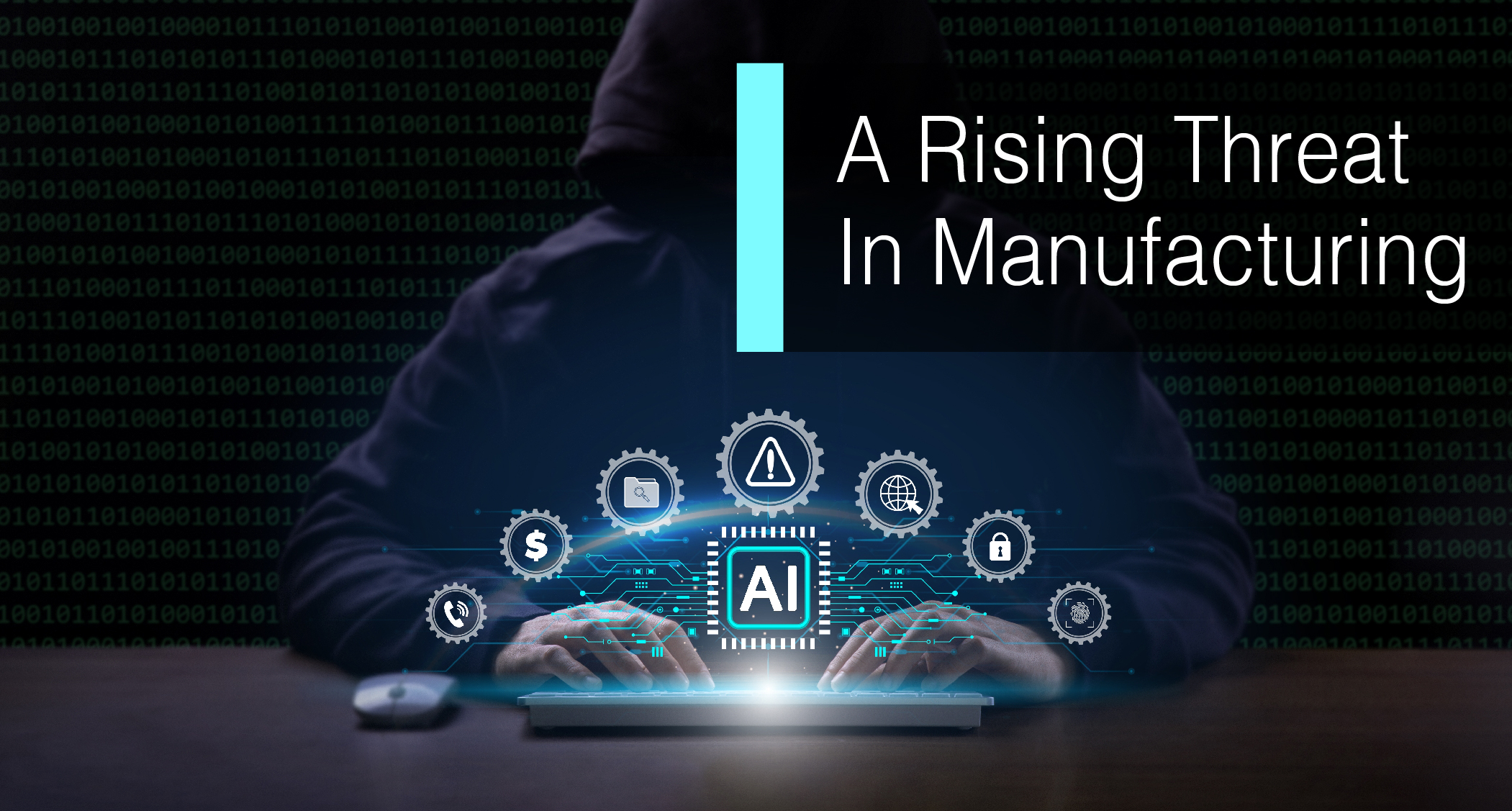
The rapid evolution of artificial intelligence (AI) is revolutionizing industries across the globe, and while many advancements are creating unprecedented opportunities, they are also opening new doors for cybercriminals. Among the sectors most vulnerable to this rising threat is manufacturing, where automated processes and interconnected systems have become prime targets for AI-powered cyberattacks. As threat actors deploy generative AI tools to breach systems, disrupt operations, and compromise sensitive data, manufacturing plants must act swiftly to mitigate these risks.
The Rise of AI-Powered Cyberattacks in Manufacturing
AI-powered cyberattacks leverage advanced AI technologies, such as machine learning (ML) and generative AI, to enhance the speed, scale, and precision of malicious activities. These technologies allow attackers to execute highly targeted attacks that exploit specific vulnerabilities within industrial environments.
Manufacturing plants are particularly susceptible due to their heavy reliance on operational technology (OT), automated systems, and industrial Internet of Things (IIoT) devices. While these advancements optimize productivity and efficiency, they also expand the attack surface for cybercriminals. The integration of legacy systems with modern technologies further complicates the cybersecurity landscape, making manufacturing facilities an attractive target.
Real-World Examples of AI-Powered Threats
AI’s capabilities have allowed cybercriminals to refine traditional attack methods and develop new ones. Here are several real-world examples of how AI is being weaponized to target manufacturing plants:
- Deepfakes in Social Engineering: Deepfakes—AI-generated audio or video that impersonates real individuals—are being used to deceive employees and gain access to sensitive systems. For example, a manufacturing company in Europe fell victim to a deepfake attack where criminals impersonated a senior executive’s voice. Employees were tricked into transferring funds to a fraudulent account, thinking they were following legitimate instructions.
- AI-Generated Phishing Attacks: AI is being used to generate highly convincing phishing emails that bypass traditional spam filters. These emails mimic the tone, style, and branding of trusted sources, making them difficult to detect. Manufacturing firms have reported incidents where employees received emails with malicious links disguised as vendor invoices or supply chain updates, leading to system breaches.
- Adaptive Malware: Using AI, cybercriminals are developing malware that can adapt in real-time to bypass security measures. For example, AI-powered ransomware can monitor a system’s defenses and modify its behavior to avoid detection. This type of malware has been used to target industrial control systems (ICS), locking down production lines until a ransom is paid.
- Exploitation of Predictive Maintenance Systems: Many manufacturers use predictive maintenance tools powered by AI to monitor equipment health and predict failures. Cybercriminals have found ways to tamper with these systems, feeding them false data to cause equipment shutdowns or trigger unnecessary maintenance, leading to costly disruptions.
- Supply Chain Attacks: Manufacturing plants often rely on third-party vendors for components, equipment, and software. AI is being used to identify vulnerabilities within these supply chains and exploit them. For example, cybercriminals can use AI-powered tools to analyze vendor communications, craft personalized phishing messages, and gain access to a manufacturer’s network through compromised third-party systems.
Why Manufacturing Plants are Prime Targets
Manufacturing plants present a lucrative target for cybercriminals due to several factors:
- Critical Infrastructure: Many manufacturing plants produce essential goods, including food, pharmaceuticals, and industrial materials. Disrupting these operations can have widespread consequences, incentivizing attackers to demand ransoms.
- High Cost of Downtime: The cost of production downtime in manufacturing is substantial, making companies more likely to pay ransoms to restore operations quickly.
- Legacy Systems: Many manufacturers still use legacy OT systems that lack modern security features, making them vulnerable to AI-driven exploits.
- Interconnected Systems: The reliance on IIoT devices and cloud-based platforms has expanded the attack surface, providing more entry points for cybercriminals.
- Human Error: Employees may not be adequately trained to recognize sophisticated AI-driven phishing attempts or social engineering tactics, increasing the likelihood of successful attacks.
Mitigating AI-Powered Cyber Threats in Manufacturing
To combat the growing threat of AI-powered cyberattacks, manufacturing plants must adopt a proactive and multi-layered approach to cybersecurity. Here are some strategies to consider:
- Strengthen Employee Awareness and Training: Educating employees about AI-driven phishing scams and social engineering tactics is critical. Regular training sessions should include examples of deepfake scenarios, phishing attempts, and other AI-powered threats. Employees must be encouraged to verify unusual requests, especially those involving sensitive information or financial transactions.
- Implement Advanced Threat Detection Tools: Traditional security tools may struggle to detect AI-powered attacks. Investing in AI-driven cybersecurity solutions that can analyze patterns, detect anomalies, and respond to threats in real time is essential. These tools can provide an added layer of protection against adaptive malware and other sophisticated threats.
- Secure Industrial Control Systems (ICS): ICS and other OT systems are often the primary targets of cyberattacks on manufacturing plants. Conduct regular vulnerability assessments to identify and patch weaknesses in these systems. Isolating OT systems from IT networks can also limit the spread of malware.
- Protect Predictive Maintenance Systems: Since predictive maintenance systems rely on data integrity, securing these systems against tampering is crucial. Use encryption and access controls to prevent unauthorized modifications and ensure the accuracy of data.
- Enhance Email Security: Deploy email filtering solutions that use AI to detect phishing attempts and flag suspicious messages. Multi-factor authentication (MFA) should also be implemented for email accounts to prevent unauthorized access.
- Strengthen Vendor Risk Management: Manufacturers must assess the cybersecurity practices of their vendors and partners. Establish clear security requirements for third parties and monitor their compliance regularly. Using endpoint detection tools to secure access points between vendors and internal systems can also help prevent supply chain attacks.
- Regularly Update and Patch Systems: Outdated software and unpatched systems are prime targets for AI-driven attacks. Manufacturers must adopt a proactive approach to patch management, ensuring all systems are up to date with the latest security fixes.
- Develop an Incident Response Plan: Having a robust incident response plan in place is critical to minimizing the impact of cyberattacks. This plan should include steps for identifying, containing, and recovering from attacks, as well as clear communication protocols to inform stakeholders.
- Monitor the Cyber Threat Landscape: Stay informed about emerging threats and trends in AI-powered cyberattacks. Subscribe to threat intelligence services and participate in industry forums to gain insights into the latest attack methods and mitigation strategies.
- Invest in Cybersecurity Partnerships: Collaborating with managed service providers (MSPs) and cybersecurity experts can provide access to specialized knowledge and resources. These partnerships can help manufacturers implement best practices, conduct regular security audits, and respond effectively to incidents.
The Future of AI-Powered Cybersecurity in Manufacturing
As AI technology continues to advance, the threat landscape for manufacturing plants will only grow more complex. Cybercriminals will likely refine their tactics, using AI to automate attacks, create more realistic phishing attempts, and exploit vulnerabilities with greater precision. However, the same AI technologies that pose a threat can also be used to strengthen cybersecurity defenses. AI-driven tools can analyze vast amounts of data to identify patterns, detect anomalies, and respond to threats in real time.
Manufacturers must embrace a proactive approach to cybersecurity, recognizing that the cost of inaction far outweighs the investment in robust defenses. By prioritizing employee training, leveraging advanced security tools, and collaborating with trusted partners, manufacturing plants can safeguard their operations against the evolving threat of AI-powered cyberattacks.
AI-powered cyberattacks represent a significant and growing risk to manufacturing plants. From deepfake-enabled social engineering to adaptive ransomware, cybercriminals are exploiting the capabilities of AI to breach systems and disrupt operations. However, with the right strategies and tools, manufacturers can protect their facilities, maintain operational continuity, and stay ahead of emerging threats. By adopting a proactive and collaborative approach to cybersecurity, the manufacturing sector can turn the tide against cybercriminals and continue to thrive in an increasingly digital world.
_____________________________________________________________________________
Schedule a call today with one of our team members to discuss your Managed IT services needs with Megawire – For more details, Click Here.
_____________________________________________________________________________
This blog is not meant to provide specific advice or opinions regarding the topic(s) discussed above. Should you have a question about your specific situation, please discuss it with your Megawire IT advisor.
Megawire is a full-service Managed IT services provider. We primarily service all of Ontario and the rest of Canada, the US, and Australia virtually. Our team provides IT infrastructure assessments, network security audits, cloud computing solutions, and IT support for businesses of all sizes and industries.
If you would like to schedule a call to discuss your Managed IT services with one of our team members, please complete the free no-obligation meeting request. – For more details, Click Here.
Connect With Us
- 24/7 monitoring
- 24/7 monitoring and incident response
- AI Integration
- ANSI/BICSI 002
- Artificial Intelligence
- automatic threat isolation
- Category
- clarity of service scope
- cloud infrastructure
- commercial structured cabling
- Compliance and audit support
- Cost Efficiency
- cross-domain expertise
- Customizable and scalable solutions
- cybersecurity
- cybersecurity audits
- cybersecurity mandates
- cybersecurity service
- cybersecurity solutions
- cybersecurity threats
- data center structured cabling
- design and deploy Zero Trust frameworks
- e-commerce
- education
- Efficiency
- Employee awareness training to prevent phishing
- EN 50173
- Endpoint detection and response
- Endpoint Detection and Response (EDR)
- endpoint devices
- endpoint security
- Energy Efficiency
- Enhanced Performance
- Enhanced Productivity
- essential defense mechanism
- Event Management
- evolving cybersecurity regulations
- fast-growing enterprises
- finance
- fully managed cybersecurity services
- Future-Proofing
- High Capacity
- hybrid environments
- hybrid industrial environments
- identifying anomalies
- identity access management
- Ignoring Standards
- Inadequate Labeling
- Incorrect Testing
- internal security policies
- international and regional cybersecurity regulations
- ISO/IEC 11801
- Long-Distance Connectivity
- managed IT services
- managed LAN services
- micro-segmentation
- Multi-factor authentication
- multi-layered security defense
- network access for manufacturing
- New
- next-gen SIEM deployment and management
- optimisation for factories
- OT-IT convergence
- Outsourcing cybersecurity
- Performance
- Performance transparency
- Ransomware
- ransomware attacks
- ransomware defense and recovery services
- real-time data connectivity
- Reduced Downtime
- Reliability
- Scalability
- Security and compliance clauses
- significant cost
- Smart Factories
- Southeast Asia
- Standards Govern Structured Cabling Systems
- strategic value
- Strong client testimonials and case studies
- structured cable installation
- structured cabling installation
- structured cabling installation services
- structured cabling services
- structured cabling specialist
- structured cabling system
- structured data cabling installation
- structured network cabling
- Tag
- TIA/EIA-568
- Transparent pricing and SLAs
- Using Low-Quality Materials
- various sources
- Zero Trust Architecture