Embracing Cyber Resilience in Managed Tech Services
Posted On October 9, 2024, by Megawire Marketing Team
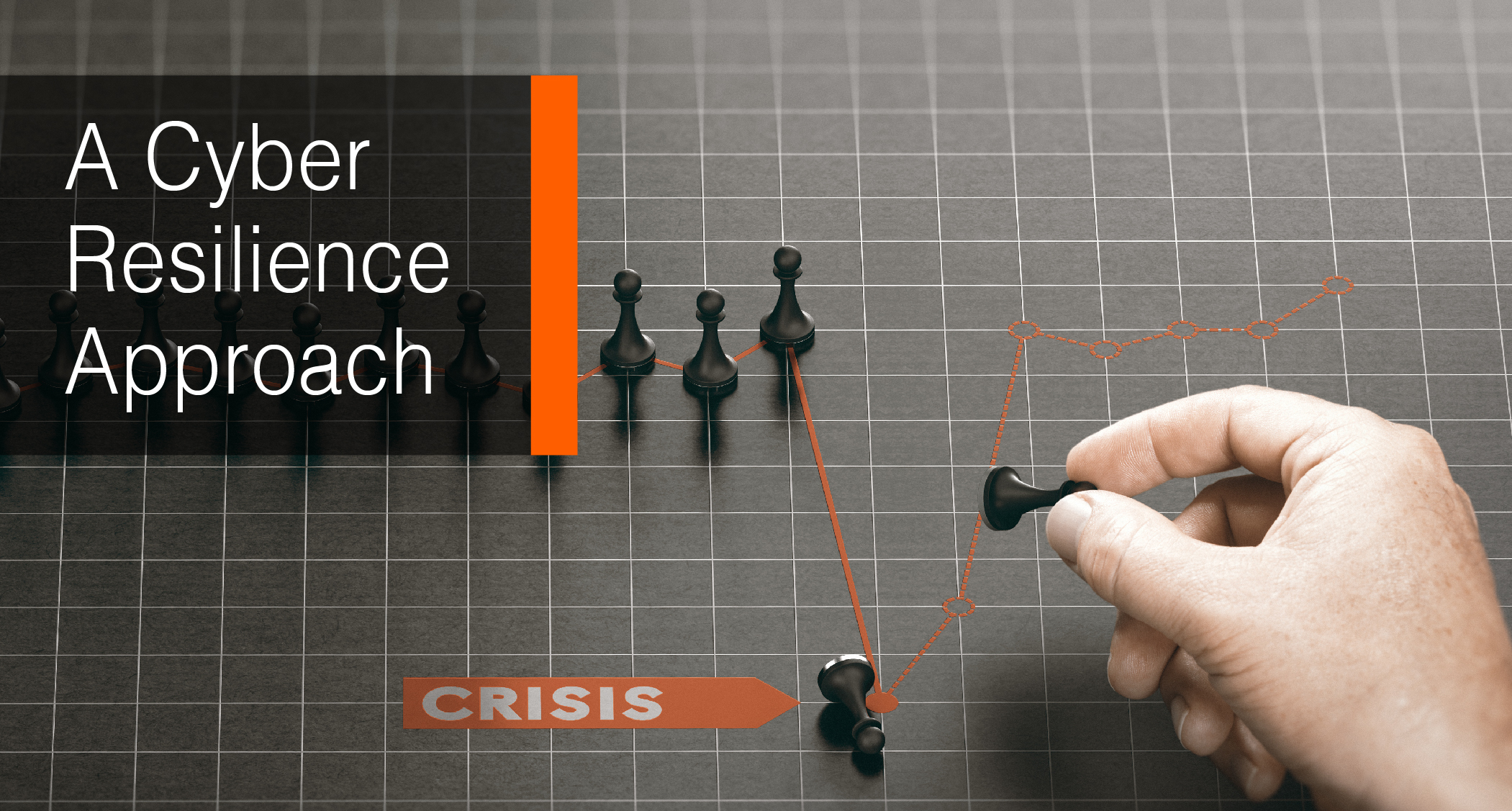
In the dynamic world of managed tech services, the concept of cyber resilience has emerged as a critical framework for ensuring that organizations can withstand and recover from disruptive events. For IT Directors and Chief Financial Officers, understanding and implementing a cyber resilience approach is not just about protecting information systems; it’s about ensuring business continuity, safeguarding data integrity, and adapting to evolving threats. This article delves into the fundamentals of cyber resilience, its essential components, and practical steps for implementing it within your organization.
Understanding Cyber Resilience
Cyber resilience is an integrative concept that merges business continuity, information security, and organizational resilience. It defines an organization’s ability to continue delivering intended outcomes despite facing cyber threats, natural disasters, or economic challenges. Unlike traditional cybersecurity, which focuses primarily on preventing attacks, cyber resilience emphasizes the capability to anticipate, withstand, recover from, and adapt to adverse conditions.
For managed tech services, this approach ensures that clients’ critical operations can continue uninterrupted, even when under cyber attack. By adopting cyber resilience, organizations can minimize downtime, protect sensitive data, and maintain operational integrity, thereby enhancing overall business continuity.
Key Components of Cyber Resilience
Implementing a robust cyber resilience strategy involves focusing on three critical components: data survival, data integrity, and rapid recovery. These principles are foundational to ensuring that your organization can effectively manage and recover from cyber incidents.
Data Survival: Data survival pertains to the ability to retain access to critical data during and after a cyber incident. This involves implementing comprehensive backup strategies, utilizing off-site and cloud-based storage solutions, and ensuring regular data replication. By prioritizing data survival, organizations can prevent data loss and maintain access to essential information, even when primary systems are compromised.
Practical steps to enhance data survival include:
- Regularly backing up data to multiple locations.
- Utilizing redundant storage systems to ensure data availability.
- Implementing automated backup processes to minimize human error.
Data Integrity: Data integrity focuses on maintaining the accuracy and consistency of data throughout its lifecycle. It ensures that data remains unaltered and trustworthy, even in the face of cyber threats. To achieve data integrity, organizations must implement stringent access controls, encryption, and validation mechanisms.
Enhancing data integrity involves:
- Encrypting data both in transit and at rest to protect against unauthorized access.
- Implementing strong access control policies to limit data modification capabilities.
- Regularly auditing data to detect and address any integrity issues.
Rapid Recovery Rapid recovery emphasizes the importance of quickly restoring normal operations after a disruptive event. This involves developing and regularly testing incident response plans, establishing clear communication channels, and ensuring that recovery processes are well-documented and accessible.
Steps to ensure rapid recovery include:
- Creating and maintaining a detailed incident response plan.
- Conducting regular recovery drills to test and refine recovery processes.
- Establishing clear roles and responsibilities for recovery efforts.
The Four Pillars of Cyber Resilience
Building a cyber-resilient organization requires a strategic approach that encompasses four key pillars: anticipation, endurance, recovery, and adaptation. These pillars guide organizations in developing comprehensive resilience strategies that address various aspects of cyber threats and disruptions.
Anticipate Organizations must proactively identify and prepare for potential threats and adversities. This involves conducting regular risk assessments, monitoring emerging threats, and staying informed about the latest cybersecurity trends. By anticipating threats, organizations can implement preemptive measures to mitigate risks and strengthen their defences.
Anticipatory measures include:
- Conducting threat intelligence analysis to identify emerging risks.
- Implementing predictive analytics to detect potential vulnerabilities.
- Staying updated on industry best practices and regulatory requirements.
Endure Ensuring that essential functions can continue in the face of adversity is crucial. This pillar focuses on building robust systems and processes that can withstand disruptions. It includes implementing redundant systems, enhancing infrastructure resilience, and developing contingency plans.
Key steps to build endurance include:
- Designing and deploying resilient IT infrastructure.
- Establishing redundant systems and failover mechanisms.
- Developing comprehensive business continuity plans.
Recover Effective recovery involves quickly restoring normal operations and minimizing the impact of disruptions. This pillar emphasizes the importance of having well-defined recovery plans, clear communication strategies, and adequate resources to support recovery efforts.
Recovery strategies include:
- Developing detailed disaster recovery plans.
- Establishing clear communication channels for internal and external stakeholders.
- Allocating resources for rapid recovery efforts.
Adapt Adaptation focuses on learning from past incidents and continuously improving resilience strategies. Organizations must be flexible and responsive, adjusting their policies and procedures based on lessons learned from previous disruptions.
Adaptive measures include:
- Conducting post-incident reviews to identify areas for improvement.
- Implementing changes to policies and procedures based on lessons learned.
- Encouraging a culture of continuous improvement and resilience.
Implementing Cyber Resilience in Managed Tech Services
For IT Directors and Chief Financial Officers in managed tech services, implementing cyber resilience requires a strategic approach that aligns with organizational goals and client needs. Here are practical steps to help your organization transition to a cyber-resilient framework:
- Conduct Comprehensive Assessments Begin by assessing the current state of your organization’s cybersecurity posture. Identify critical assets, evaluate existing security measures, and determine potential vulnerabilities. Use this assessment to prioritize areas for improvement and allocate resources effectively.
- Develop and Implement Robust Policies Establish clear policies and procedures that address all aspects of cyber resilience. This includes data protection policies, incident response plans, and business continuity strategies. Ensure that these policies are regularly reviewed and updated to reflect evolving threats and organizational changes.
- Enhance Collaboration and Governance Foster a culture of collaboration and clear governance within your organization. Engage key stakeholders, including IT, finance, and operations, to ensure alignment and effective communication. Establish roles and responsibilities for managing cyber resilience initiatives and ensure that all employees are aware of their responsibilities.
- Invest in Advanced Security Technologies Leverage advanced security technologies to enhance your organization’s cyber resilience. This includes implementing next-generation firewalls, intrusion detection systems, and endpoint protection solutions. Utilize machine learning and artificial intelligence to detect and respond to threats in real time.
- Implement Regular Training and Awareness Programs Educate employees about the importance of cyber resilience and provide regular training on best practices for cybersecurity. Encourage a proactive mindset and ensure that employees are aware of their role in maintaining the organization’s security posture.
- Establish Clear Incident Response and Recovery Plans Develop comprehensive incident response and recovery plans that outline the steps to take during and after a cyber incident. Ensure that these plans are regularly tested and refined based on lessons learned from drills and real incidents.
- Engage with External Experts and Partners Collaborate with external cybersecurity experts and partners to stay informed about emerging threats and best practices. Participate in industry forums and information-sharing initiatives to enhance your organization’s resilience.
- Monitor and Evaluate Continuously Implement continuous monitoring and evaluation processes to assess the effectiveness of your cyber resilience strategies. Use metrics and key performance indicators to track progress and identify areas for improvement.
Partnering with Megawire for Cyber Resilience
For organizations looking to enhance their cyber resilience, partnering with a trusted managed tech services provider like Megawire is a strategic move. Megawire offers a comprehensive suite of services designed to protect and support your digital infrastructure, ensuring that your organization can withstand and recover from cyber threats.
Megawire’s expertise includes:
- Advanced Security Solutions: Implementing next-generation security technologies to protect critical assets.
- Incident Response and Recovery: Providing rapid response services to contain and mitigate the impact of cyber incidents.
- Continuous Monitoring and Evaluation: Continuous monitoring is offered to detect and respond to threats in real-time.
- Employee Training and Awareness Programs: Delivering customized training sessions to raise awareness about cyber threats and best practices.
- Collaboration and Information Sharing: Engaging with industry partners and experts to stay ahead of emerging threats.
By leveraging Megawire’s services, organizations can build a robust cyber resilience strategy that ensures the protection of critical assets, minimizes downtime, and maintains operational continuity. Megawire’s solutions are tailored to the specific needs of managed tech services, providing the expertise and support needed to navigate the complex cyber threat landscape.
_______________________________________________________________________________________________________________________________________
Schedule a call today with one of our team members to discuss your Managed IT services needs with Megawire – For more details, Click Here.
_______________________________________________________________________________________________________________________________________
This blog is not meant to provide specific advice or opinions regarding the topic(s) discussed above. Should you have a question about your specific situation, please discuss it with your Megawire IT advisor.
Megawire is a full-service Managed IT services provider. We primarily service all of Ontario and the rest of Canada, the US, and Australia virtually. Our team provides IT infrastructure assessments, network security audits, cloud computing solutions, and IT support for businesses of all sizes and industries.
If you would like to schedule a call to discuss your Managed IT services with one of our team members, please complete the free no-obligation meeting request. – For more details, Click Here.
Connect With Us
- 24/7 monitoring
- 24/7 monitoring and incident response
- AI Integration
- ANSI/BICSI 002
- Artificial Intelligence
- automatic threat isolation
- Category
- clarity of service scope
- cloud infrastructure
- commercial structured cabling
- Compliance and audit support
- Cost Efficiency
- cross-domain expertise
- Customizable and scalable solutions
- cybersecurity
- cybersecurity audits
- cybersecurity mandates
- cybersecurity service
- cybersecurity solutions
- cybersecurity threats
- data center structured cabling
- design and deploy Zero Trust frameworks
- e-commerce
- education
- Efficiency
- Employee awareness training to prevent phishing
- EN 50173
- Endpoint detection and response
- Endpoint Detection and Response (EDR)
- endpoint devices
- endpoint security
- Energy Efficiency
- Enhanced Performance
- Enhanced Productivity
- essential defense mechanism
- Event Management
- evolving cybersecurity regulations
- fast-growing enterprises
- finance
- fully managed cybersecurity services
- Future-Proofing
- High Capacity
- hybrid environments
- hybrid industrial environments
- identifying anomalies
- identity access management
- Ignoring Standards
- Inadequate Labeling
- Incorrect Testing
- internal security policies
- international and regional cybersecurity regulations
- ISO/IEC 11801
- Long-Distance Connectivity
- managed IT services
- managed LAN services
- micro-segmentation
- Multi-factor authentication
- multi-layered security defense
- network access for manufacturing
- New
- next-gen SIEM deployment and management
- optimisation for factories
- OT-IT convergence
- Outsourcing cybersecurity
- Performance
- Performance transparency
- Ransomware
- ransomware attacks
- ransomware defense and recovery services
- real-time data connectivity
- Reduced Downtime
- Reliability
- Scalability
- Security and compliance clauses
- significant cost
- Smart Factories
- Southeast Asia
- Standards Govern Structured Cabling Systems
- strategic value
- Strong client testimonials and case studies
- structured cable installation
- structured cabling installation
- structured cabling installation services
- structured cabling services
- structured cabling specialist
- structured cabling system
- structured data cabling installation
- structured network cabling
- Tag
- TIA/EIA-568
- Transparent pricing and SLAs
- Using Low-Quality Materials
- various sources
- Zero Trust Architecture