Building Resilient Supply Chains Against Cyber Threats in 2025
Posted On January 9, 2025, by Megawire Marketing Team
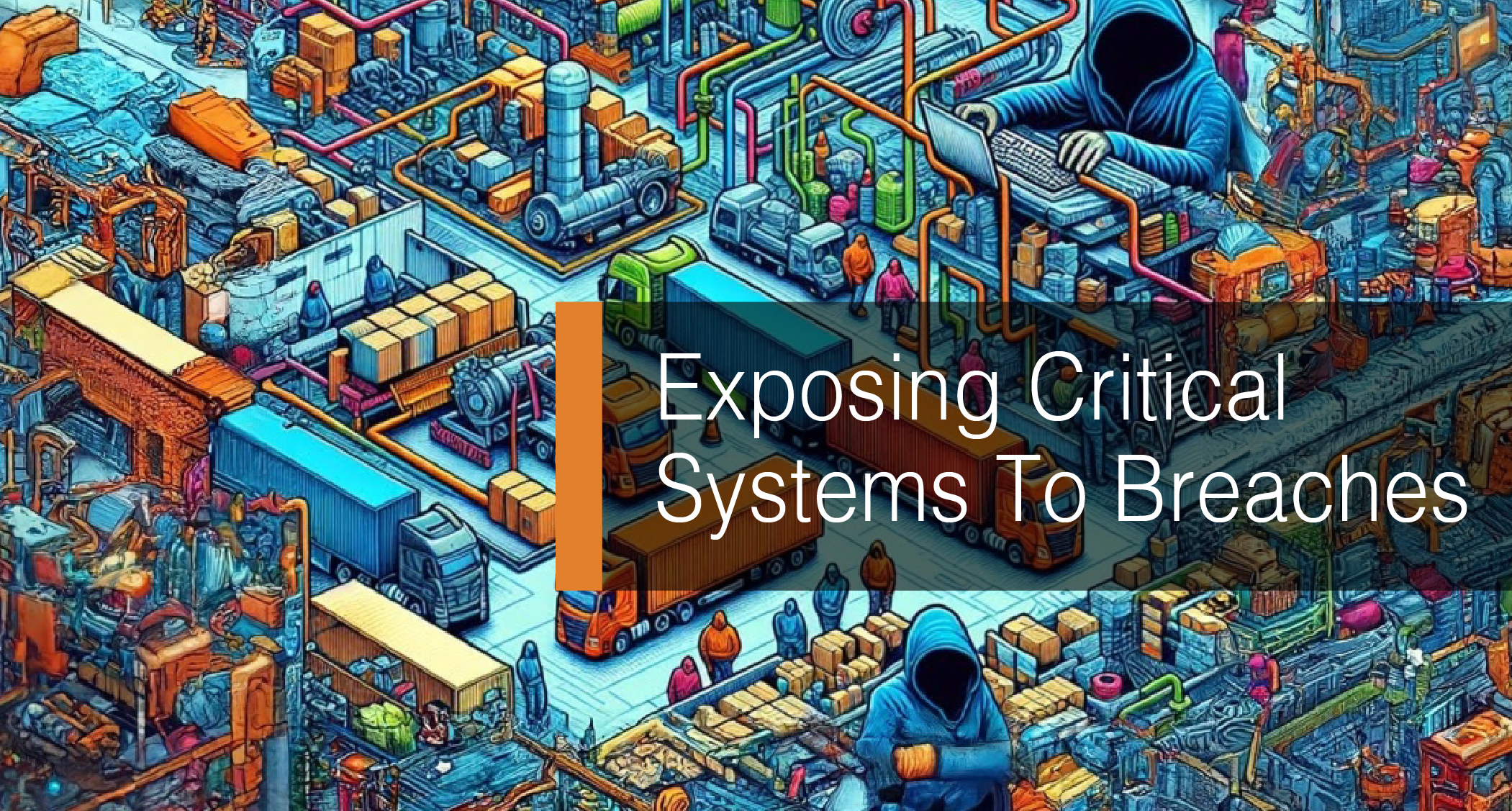
In today’s digitally interconnected world, manufacturing supply chains have become prime targets for cybercriminals. From ransomware attacks crippling operations to exploitation of unpatched software vulnerabilities, the manufacturing industry faces an escalating wave of cyber threats. As more businesses integrate automation systems, cloud-based CAD software, and IoT-enabled processes, they inadvertently expand their attack surface, exposing critical systems to potential breaches. This article delves into the rising threats facing manufacturing supply chains and outlines actionable steps to bolster digital supply chain resilience, safeguarding operations against costly disruptions.
The Rising Threat to Digital Supply Chains
Cybercriminals have increasingly shifted their focus toward manufacturing supply chains, recognizing the vital role they play in global commerce. A single disruption in a supply chain can cause ripple effects across multiple industries, resulting in production delays, financial losses, and reputational damage.
The 2025 National Cyber Threat Assessment highlights that supply chain attacks are often “double-edged,” where one attack enables another, creating cascading vulnerabilities. Ransomware incidents, such as those linked to groups like CL0P and LockBit, have demonstrated how attackers exploit weaknesses in widely used software like CAD tools or file-sharing platforms. For instance, in 2023, the exploitation of vulnerabilities in MOVEit file transfer systems resulted in ransomware incidents impacting an estimated 2,750 enterprises and 94 million individuals globally. This trend underscores the growing danger of cyberattacks that exploit the interconnected nature of modern supply chains.
Key Cyber Threats to Manufacturing Supply Chains
1. Exploitation of CAD Software and Design Tools
Modern manufacturing relies heavily on computer-aided design (CAD) software to model, test, and produce parts. These tools often store sensitive intellectual property, making them lucrative targets for ransomware actors. If compromised, attackers can not only halt production but also exfiltrate valuable designs for monetary or competitive advantage.
2. Ransomware Targeting Operational Technology (OT)
Operational Technology (OT) systems, which oversee processes like production lines and inventory management, are increasingly targeted by adaptive ransomware. Cybercriminals leverage OT vulnerabilities to encrypt critical systems, forcing manufacturers to pay hefty ransoms or risk operational paralysis.
3. Weaknesses in Automation Systems
Automation systems streamline operations but also introduce potential vulnerabilities if not secured adequately. Unpatched industrial control systems (ICS) and IoT-enabled devices are common entry points for attackers seeking to disrupt manufacturing supply chains.
4. Living Off the Land (LOTL) Techniques
Cybercriminals increasingly use native tools within a supply chain’s digital ecosystem to move laterally across networks, evading detection. This stealthy approach allows them to exploit resources already present, such as misconfigured remote desktop protocols (RDP) or insecure cloud storage services.
Why Cyber Threats Target Supply Chains
Manufacturing supply chains present an attractive target for several reasons:
- Criticality of Operations: Any disruption can lead to significant financial and reputational costs, motivating businesses to pay ransoms quickly.
- Highly Interconnected Networks: The reliance on third-party vendors, suppliers, and contractors creates multiple potential entry points for attackers.
- Low Cybersecurity Investment: Compared to other industries, manufacturing has historically lagged in adopting robust cybersecurity measures, leaving many systems vulnerable.
- Proliferation of Legacy Systems: Many manufacturers still rely on outdated or unsupported software and hardware, making them susceptible to known vulnerabilities.
Steps to Secure Digital Supply Chains
To mitigate these threats, businesses must take proactive steps to secure their digital supply chains. Below are actionable strategies to bolster resilience against cyber threats:
1. Conduct Comprehensive Risk Assessments
Start by identifying all digital assets within your supply chain, including software, hardware, and third-party services. Evaluate potential vulnerabilities and prioritize them based on the severity of their impact. Regular risk assessments should be conducted to stay ahead of emerging threats.
2. Implement Zero-Trust Architecture
Adopting a zero-trust approach ensures that no user or device within the network is automatically trusted. By requiring strict identity verification and limiting access privileges, businesses can significantly reduce the likelihood of unauthorized access.
3. Secure CAD and OT Systems
Given their critical role in manufacturing, CAD tools and OT systems require heightened protection. This includes:
- Regular software updates and patching to fix known vulnerabilities.
- Network segmentation to isolate sensitive systems from the broader network.
- Using advanced monitoring tools to detect suspicious activity.
4. Enhance Vendor Management
Third-party vendors and suppliers are common attack vectors for supply chain breaches. To minimize this risk:
- Conduct thorough cybersecurity audits of all vendors.
- Mandate compliance with industry security standards.
- Limit vendor access to only the systems necessary for their operations.
5. Strengthen Endpoint Security
Endpoints, such as IoT devices and remote workstations, are often exploited by attackers to infiltrate networks. Secure these endpoints by:
- Deploying antivirus and endpoint detection tools.
- Enforcing strong password policies and multi-factor authentication (MFA).
- Regularly updating device firmware.
6. Deploy Threat Intelligence Solutions
Staying informed about the latest cyber threats is crucial for proactive defense. Threat intelligence platforms can help businesses monitor emerging risks, identify suspicious activity, and respond to incidents quickly.
7. Train Employees and Partners
Human error remains one of the most significant contributors to cyber incidents. Provide ongoing training to employees and supply chain partners to:
- Recognize phishing emails and social engineering tactics.
- Report suspicious activity promptly.
- Follow best practices for secure online behavior.
Case Study: Supply Chain Ransomware Attack
In 2024, a large automotive parts manufacturer fell victim to a ransomware attack that targeted their CAD software vendor. The attackers exploited a vulnerability in the vendor’s file-sharing platform, gaining access to proprietary designs and encrypted critical production systems. The manufacturer was forced to halt production for weeks, resulting in millions of dollars in losses and reputational damage.
This incident highlights the need for manufacturers to not only secure their internal systems but also assess the cybersecurity posture of their third-party partners. By taking proactive measures such as vendor audits, network segmentation, and incident response planning, this disruption could have been mitigated or prevented entirely.
Emerging Trends in Cyber Threats to Supply Chains
1. Artificial Intelligence in Cyberattacks
Cybercriminals are leveraging AI to enhance the sophistication of their attacks. AI-powered tools enable them to craft more convincing phishing emails, identify vulnerabilities faster, and automate parts of the attack chain.
2. Targeting of IoT Devices
As IoT adoption grows, so does the risk of these devices being exploited. Insecure IoT devices can serve as entry points for attackers to infiltrate supply chain networks.
3. Rise of Ransomware-as-a-Service (RaaS)
Ransomware groups are increasingly adopting a business model known as Ransomware-as-a-Service (RaaS), where they lease their tools to less-skilled affiliates. This proliferation of RaaS is expected to drive an increase in ransomware incidents targeting supply chains.
Building a Culture of Cyber Resilience
Cybersecurity is no longer just an IT issue—it is a critical business priority. By fostering a culture of cyber resilience, manufacturers can ensure that all employees, partners, and vendors prioritize security in their operations. This includes:
- Establishing clear cybersecurity policies and procedures.
- Encouraging collaboration between IT and operations teams.
- Investing in advanced security technologies.
In 2025, the manufacturing supply chain will face unprecedented cyber risks, but these challenges also present an opportunity for businesses to strengthen their defences. By securing digital supply chains, manufacturers can safeguard their operations, protect sensitive data, and maintain customer trust in an increasingly hostile cyber landscape.
Investing in cybersecurity today is not just about mitigating risk—it’s about building the resilience needed to thrive in a digital-first world. The time to act is now.
LinkedIn Lead-In Introduction Paragraph
Is your supply chain prepared for the cyber threats of 2025? With cybercriminals targeting everything from CAD software to IoT-enabled automation systems, manufacturing supply chains have become prime targets for ransomware and other attacks. Our latest article explores the escalating cyber risks and provides actionable steps to protect your supply chain against costly disruptions. Discover how proactive strategies can safeguard your operations and ensure resilience in an increasingly interconnected world.
NOTES:
1. National Cyber Threat Assessment 2025-2026
Detailed insights into emerging cyber threats targeting critical sectors, including manufacturing. This report highlights ransomware trends, vulnerabilities in digital supply chains, and recommendations for improving resilience.
Link: Cyber Threat Assessment 2025-2026
- U.S. Cybersecurity and Infrastructure Security Agency (CISA)
CISA provides resources and alerts for protecting critical infrastructure, including manufacturing and supply chains. Their advisories cover the latest on ransomware and supply chain threats.
Link: CISA – Cybersecurity for Critical Infrastructure - Dragos: OT Cybersecurity Threats
Dragos regularly releases reports about cybersecurity threats impacting operational technology (OT) environments, including insights on supply chain vulnerabilities and advanced persistent threats.
Link: Dragos Threat Report - IBM X-Force Threat Intelligence Index 2025
IBM’s annual report on global cyber threats discusses ransomware’s impact on the supply chain and the rise of threats targeting manufacturing systems.
Link: IBM Threat Intelligence - Deloitte Insights: Cybersecurity in Manufacturing
This resource provides a comprehensive guide on mitigating cyber risks in manufacturing, with a focus on digital supply chains and advanced technologies.
Link: Deloitte Cybersecurity Insights - NIST Cybersecurity Framework for Manufacturing
The National Institute of Standards and Technology (NIST) offers a cybersecurity framework specifically tailored for manufacturing systems and supply chains.
Link: NIST Manufacturing Cybersecurity - Recorded Future: Supply Chain Threats
This report focuses on the rise of supply chain attacks and how organizations can implement predictive intelligence to avoid disruptions.
Link: Recorded Future Supply Chain Threats - Mandiant (Google Cloud) – Ransomware Trends 2025
Mandiant’s insights provide actionable data on ransomware’s impact across sectors, highlighting the vulnerabilities in digital supply chains.
Link: Mandiant Ransomware Trends - Cybersecurity & Supply Chain Risk Management Toolkit
This toolkit from the Canadian Centre for Cyber Security offers strategies to mitigate risks specific to digital supply chains and manufacturing industries.
Link: Cyber Supply Chain Toolkit - Sophos State of Ransomware 2025
Sophos provides an in-depth look into how ransomware groups exploit supply chains and offers strategies to enhance protection.
Link: Sophos Ransomware Report
_____________________________________________________________________________
Schedule a call today with one of our team members to discuss your Managed IT services needs with Megawire – For more details, Click Here.
_____________________________________________________________________________
This blog is not meant to provide specific advice or opinions regarding the topic(s) discussed above. Should you have a question about your specific situation, please discuss it with your Megawire IT advisor.
Megawire is a full-service Managed IT services provider. We primarily service all of Ontario and the rest of Canada, the US, and Australia virtually. Our team provides IT infrastructure assessments, network security audits, cloud computing solutions, and IT support for businesses of all sizes and industries.
If you would like to schedule a call to discuss your Managed IT services with one of our team members, please complete the free no-obligation meeting request. – For more details, Click Here.
Connect With Us
- 24/7 monitoring
- 24/7 monitoring and incident response
- AI Integration
- ANSI/BICSI 002
- Artificial Intelligence
- automatic threat isolation
- Category
- clarity of service scope
- cloud infrastructure
- commercial structured cabling
- Compliance and audit support
- Cost Efficiency
- cross-domain expertise
- Customizable and scalable solutions
- cybersecurity
- cybersecurity audits
- cybersecurity mandates
- cybersecurity service
- cybersecurity solutions
- cybersecurity threats
- data center structured cabling
- design and deploy Zero Trust frameworks
- e-commerce
- education
- Efficiency
- Employee awareness training to prevent phishing
- EN 50173
- Endpoint detection and response
- Endpoint Detection and Response (EDR)
- endpoint devices
- endpoint security
- Energy Efficiency
- Enhanced Performance
- Enhanced Productivity
- essential defense mechanism
- Event Management
- evolving cybersecurity regulations
- fast-growing enterprises
- finance
- fully managed cybersecurity services
- Future-Proofing
- High Capacity
- hybrid environments
- hybrid industrial environments
- identifying anomalies
- identity access management
- Ignoring Standards
- Inadequate Labeling
- Incorrect Testing
- internal security policies
- international and regional cybersecurity regulations
- ISO/IEC 11801
- Long-Distance Connectivity
- managed IT services
- managed LAN services
- micro-segmentation
- Multi-factor authentication
- multi-layered security defense
- network access for manufacturing
- New
- next-gen SIEM deployment and management
- optimisation for factories
- OT-IT convergence
- Outsourcing cybersecurity
- Performance
- Performance transparency
- Ransomware
- ransomware attacks
- ransomware defense and recovery services
- real-time data connectivity
- Reduced Downtime
- Reliability
- Scalability
- Security and compliance clauses
- significant cost
- Smart Factories
- Southeast Asia
- Standards Govern Structured Cabling Systems
- strategic value
- Strong client testimonials and case studies
- structured cable installation
- structured cabling installation
- structured cabling installation services
- structured cabling services
- structured cabling specialist
- structured cabling system
- structured data cabling installation
- structured network cabling
- Tag
- TIA/EIA-568
- Transparent pricing and SLAs
- Using Low-Quality Materials
- various sources
- Zero Trust Architecture