Data Centre Colocation – Why More Companies Are Making the Switch
Posted On July 31, 2025, by Megawire Marketing Team
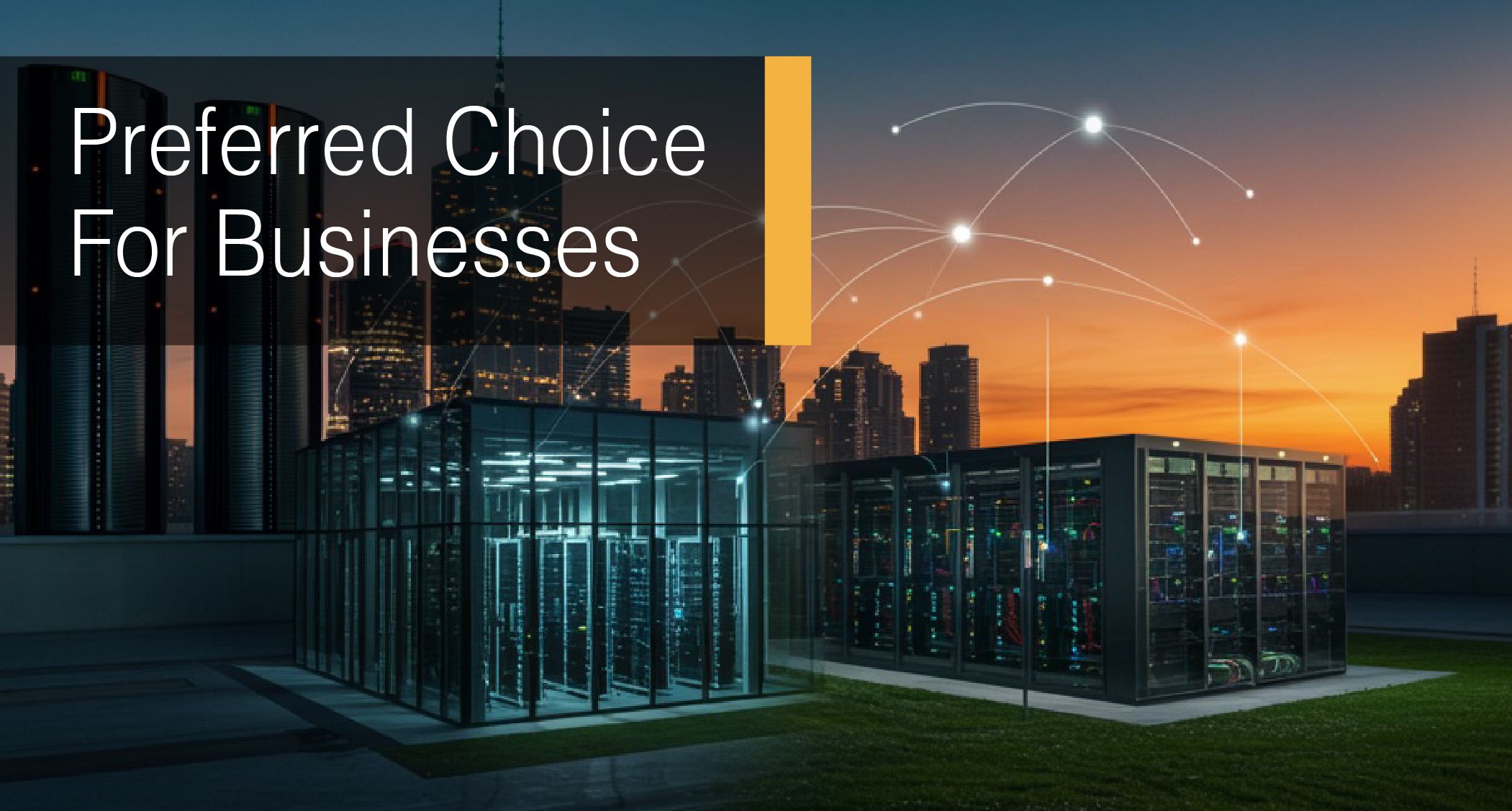
As IT infrastructure demands continue to grow, organizations are hunting for reliable and scalable solutions that won’t stretch budgets or compromise performance. Enter data centre colocation, a flexible, cost-effective alternative to on-premise solutions that is increasingly becoming a preferred choice for businesses.
This blog will unpack why companies are turning to colocation, how it works, and the exceptional benefits it brings to key business functions, such as uptime, security, and scalability.
Whether you’re managing a growing IT infrastructure or exploring alternatives to cloud services, colocation offers a middle ground between full-cloud setups and completely in-house operations.
What is Data Centre Colocation?
At its core, data centre colocation allows businesses to place their servers and networking equipment in a third-party facility designed for optimal performance, security, and scalability.
Rather than investing in costly in-house infrastructure, colocation enables businesses to retain control of their hardware and software while relying on a third-party provider to deliver:
- Physical space (e.g., racks or dedicated suites)
- Power redundancy
- Advanced cooling systems
- Comprehensive security measures
- High-speed internet connectivity
This model ensures businesses can focus on their core operations without worrying about the environmental or hardware challenges of running servers. Think of it as renting premium real estate for your IT equipment, with round-the-clock amenities and support built in.
Why Are More Businesses Choosing Colocation?
From IT infrastructure managers to C-suite stakeholders, organizations are gravitating toward colocation to solve key challenges in today’s hyper-digital world. Below, we explore the primary drivers behind this shift.
- Ensured Uptime and Reliability
Downtime can be devastating for any business. Research reveals the average cost of downtime sits at $5,600 per minute, though this number can range depending on the business size and industry. With service level agreements (SLAs) ensuring up to 99.999% uptime, many colocation facilities deliver the operational resilience businesses need.
Key features include:
- Redundant power systems: Backup generators, uninterruptible power supplies (UPS), and multi-grid power sources.
- Network failovers: Facilities often partner with several Tier 1 internet providers to ensure seamless connectivity.
- Disaster readiness: Many data centres are located in disaster-resilient areas and feature systems designed to survive floods and earthquakes.
- Enhanced Security
With rising cybersecurity threats and heightened concerns over sensitive data, businesses are under mounting pressure to safeguard their infrastructure. Colocation data centers prioritize both physical and digital security, offering:
- 24/7 surveillance, including cameras and on-site security personnel.
- Multi-factor authentication for facility access (e.g., biometric and RFID-based).
- Advanced fire suppression systems to prevent hardware damage.
- DDoS protection and intrusion detection mechanisms.
These layered security measures often go beyond what most organizations can implement in-house, ensuring that critical hardware is housed in a protected environment.
- Scalable IT Solutions
Business growth often requires rapid scaling of IT infrastructure. With colocation, adding capacity is as easy as renting additional space, power, or bandwidth. For organizations with fluctuating and unpredictable workloads, this flexibility offers a major advantage over the up-front costs of expanding on-premise facilities.
Whether scaling up or down, colocation eliminates the need for significant capital expenditure (CapEx), enabling businesses to adopt an operating expense (OpEx) model.
- Cost Efficiency
Building and operating a private data center is an expensive undertaking, often requiring millions in up-front investment and ongoing operational costs, like cooling, energy, and maintenance. Colocation dramatically reduces these expenses by allowing businesses to share the costs of a state-of-the-art facility.
Organizations benefit from:
- Economies of scale for electricity, connectivity, and cooling.
- Reduced need for on-site IT staff, as colocation providers often offer remote hands support.
- Predictable monthly bills for easier budgeting.
- Hybrid Cloud Support
For businesses unsure whether to go full cloud or on-premises, colocation serves as a bridge to hybrid configurations. Many providers offer direct connections to leading cloud platforms such as AWS, Microsoft Azure, and Google Cloud, enabling businesses to move workloads to the cloud seamlessly without sacrificing performance or security.
This dual approach ensures businesses can use cloud services for some workflows while maintaining full control of their critical hardware.
- Compliance and Regulation Adherence
For IT managers tasked with meeting stringent compliance requirements (e.g., HIPAA, PCI DSS, or GDPR), colocation centers are often built with these mandates in mind. Providers commonly offer certifications ensuring the infrastructure adheres to the highest international standards. This leaves businesses less exposed to audits and regulatory penalties.
How Does Colocation Work?
Understanding the mechanics of colocation is crucial for evaluating its suitability for your business needs. Here’s how the process typically works:
- Leasing Space: Businesses lease racks, cages, or entire suites depending on their requirements.
- Hardware Installation: Organizations provide and install their servers, storage devices, and networking equipment in the leased space.
- Continuous Maintenance: Businesses are responsible for managing their hardware remotely, but colocation providers offer on-site support for basic tasks (e.g., hardware replacements, cable swaps).
- Infrastructure Management: The colocation provider maintains power, cooling, connectivity, and physical security, ensuring optimal performance.
By separating infrastructure responsibilities, colocation lightens operational burdens while keeping organizations in control of their software and IT environment.
Key Features of Colocation Facilities
When evaluating potential providers, look for these features to understand the quality and reliability of their services:
- Redundancy: Dual power sources, backup utilities, and redundant network connections.
- Cooling and Environmental Control: Advanced systems like hot-aisle/cold-aisle containment to maintain optimal temperatures.
- Proximity: Facilities near major urban centers for better connectivity.
- Security Measures: Biometric locks, surveillance systems, and limited access zones.
- Carrier Neutrality: Access to multiple carriers allows for flexibility and competitive pricing.
- Customer Support: On-site IT experts available 24/7 for remote troubleshooting.
Making the Business Case for Colocation
Migrating to colocation isn’t merely a cost-cutting strategy; it’s a step toward creating a better-aligned IT infrastructure.
Who benefits the most?
- Growing companies needing to expand without committing to in-house data centers.
- E-commerce businesses, where uptime reliability is a must for sales operations.
- Heavily regulated industries such as finance, healthcare, and law, requiring high security and compliance.
By adopting colocation, organizations can future-proof their IT operations, reduce risk, and better serve their customers.
Thinking Ahead with Data Centre Colocation
Switching to colocation isn’t just about saving money or improving security; it’s a forward-looking strategy that prepares your IT architecture for growth, innovation, and resilience.
If you’re considering making the switch, start by evaluating your organization’s specific needs. Secure uptime? Reduce CapEx? Improve disaster recovery? Whatever your goals, colocation offers a strategic middle ground between the constraints of on-premise operations and the flexibility of the cloud.
Looking to explore how colocation can work for your organization? Consult industry experts or request a facility tour to ensure the provider aligns with your expectations.
Schedule a call today with one of our team members to discuss your Managed IT services needs with Megawire – For more details, Click Here.
This blog is not meant to provide specific advice or opinions regarding the topic(s) discussed above. Should you have a question about your specific situation, please discuss it with your Megawire IT advisor.
Megawire is a full-service Managed IT services provider. We primarily service all of Ontario and the rest of Canada, the US, and Australia virtually. Our team provides IT infrastructure assessments, network security audits, cloud computing solutions, and IT support for businesses of all sizes and industries.
If you would like to schedule a call to discuss your Managed IT services with one of our team members, please complete the free no-obligation meeting request. – For more details, Click Here.
Connect With Us
- 24/7 monitoring
- 24/7 monitoring and incident response
- AI Integration
- ANSI/BICSI 002
- Artificial Intelligence
- automatic threat isolation
- Category
- clarity of service scope
- cloud infrastructure
- commercial structured cabling
- Compliance and audit support
- Cost Efficiency
- cross-domain expertise
- Customizable and scalable solutions
- cybersecurity
- cybersecurity audits
- cybersecurity mandates
- cybersecurity service
- cybersecurity solutions
- cybersecurity threats
- data center structured cabling
- design and deploy Zero Trust frameworks
- e-commerce
- education
- Efficiency
- Employee awareness training to prevent phishing
- EN 50173
- Endpoint detection and response
- Endpoint Detection and Response (EDR)
- endpoint devices
- endpoint security
- Energy Efficiency
- Enhanced Performance
- Enhanced Productivity
- essential defense mechanism
- Event Management
- evolving cybersecurity regulations
- fast-growing enterprises
- finance
- fully managed cybersecurity services
- Future-Proofing
- High Capacity
- hybrid environments
- hybrid industrial environments
- identifying anomalies
- identity access management
- Ignoring Standards
- Inadequate Labeling
- Incorrect Testing
- internal security policies
- international and regional cybersecurity regulations
- ISO/IEC 11801
- Long-Distance Connectivity
- managed IT services
- managed LAN services
- micro-segmentation
- Multi-factor authentication
- multi-layered security defense
- network access for manufacturing
- New
- next-gen SIEM deployment and management
- optimisation for factories
- OT-IT convergence
- Outsourcing cybersecurity
- Performance
- Performance transparency
- Ransomware
- ransomware attacks
- ransomware defense and recovery services
- real-time data connectivity
- Reduced Downtime
- Reliability
- Scalability
- Security and compliance clauses
- significant cost
- Smart Factories
- Southeast Asia
- Standards Govern Structured Cabling Systems
- strategic value
- Strong client testimonials and case studies
- structured cable installation
- structured cabling installation
- structured cabling installation services
- structured cabling services
- structured cabling specialist
- structured cabling system
- structured data cabling installation
- structured network cabling
- Tag
- TIA/EIA-568
- Transparent pricing and SLAs
- Using Low-Quality Materials
- various sources
- Zero Trust Architecture