Our Posts

AI-Driven Threat Intelligence: What Internet Security Companies Need to Know

The cybersecurity landscape has become increasingly complex and threatening, with hackers leveraging sophisticated techniques to exploit vulnerabilities and disrupt businesses. As cyber threats evolve, traditional methods of threat detection and prevention are no longer sufficient. Artificial Intelligence (AI) has emerged as a game-changer in cybersecurity, offering unprecedented capabilities to predict, prevent, and respond to threats in real time. For internet security companies, understanding and adopting AI-driven threat intelligence is no longer optional—it’s a necessity to stay competitive and protect their clients effectively.

In this article, we will explore how AI is reshaping network security and empowering internet security companies. From enhancing penetration testing to enabling automated threat response and robust data protection, AI is revolutionizing the industry and providing innovative solutions that redefine cybersecurity.

The Need for AI in Cybersecurity

The digital age has ushered in a vast array of opportunities, but it has also created a perfect breeding ground for cyber threats. Hackers now use tools powered by AI to breach networks, steal sensitive data, and disrupt operations. For internet security companies, combating these sophisticated threats requires leveraging AI’s predictive and adaptive capabilities.

AI in cybersecurity enables organizations to:

  • Predict threats before they occur by analyzing patterns and identifying vulnerabilities.
  • Prevent attacks in real time through automated detection and response mechanisms.
  • Enhance overall data security by continuously monitoring and adapting to changing threats.

With these advantages, AI has become an indispensable tool for managed security services and internet security companies aiming to safeguard their clients’ networks.

AI-Driven Penetration Testing: A New Era of Vulnerability Assessment

Penetration testing, also known as ethical hacking, is a critical component of cybersecurity. It involves simulating cyberattacks to identify vulnerabilities in a system before malicious actors can exploit them. Traditional penetration testing, while effective, is resource-intensive and time-consuming. AI has transformed this process, making it faster, more accurate, and scalable.

  1. Automated Vulnerability Detection: AI algorithms can analyze vast amounts of data to identify vulnerabilities in networks, applications, and systems. These tools continuously monitor for new weaknesses, significantly reducing the time required for manual assessments.
  2. Predictive Analysis: AI tools can predict potential attack vectors based on past data and trends. For example, machine learning models can identify unusual patterns in network traffic, signaling a potential vulnerability or breach.
  3. Efficiency and Scalability: AI-powered penetration testing tools can simulate multiple attack scenarios simultaneously, covering a broader range of vulnerabilities. This scalability ensures that even the most complex networks are adequately protected.

By incorporating AI into penetration testing, internet security companies can provide their clients with comprehensive vulnerability assessments, ensuring proactive defense against emerging threats.

Automated Threat Response: Speed and Accuracy

When dealing with cyber threats, response time is critical. Delayed reactions can result in significant financial losses, data breaches, and reputational damage. AI-powered automated threat response systems enable internet security companies to neutralize threats swiftly and efficiently.

  1. Real-Time Threat Detection: AI tools monitor networks 24/7, analyzing data in real time to detect anomalies and malicious activities. Unlike traditional systems that rely on predefined rules, AI systems use machine learning to identify new and evolving threats.
  2. Immediate Action: Once a threat is detected, AI can initiate an automated response, such as isolating affected systems, blocking malicious IPs, or shutting down compromised accounts. This rapid action minimizes the impact of cyberattacks.
  3. Reduced False Positives: One challenge in cybersecurity is distinguishing between genuine threats and false alarms. AI systems use advanced algorithms to analyze the context of alerts, reducing false positives and ensuring resources are focused on legitimate threats.

For internet security companies, offering automated threat response as part of their managed security services is a powerful value proposition, enhancing client trust and satisfaction.

AI for Data Security: Protecting What Matters Most

Data is the lifeblood of modern businesses, and protecting it is a top priority for organizations. Cybercriminals target sensitive data for financial gain, industrial espionage, and other malicious purposes. AI plays a crucial role in safeguarding data by providing advanced security measures that traditional approaches cannot match.

  1. Behavioral Analysis: AI systems can analyze user behavior to detect unusual activities that may indicate a data breach. For instance, if an employee’s credentials are used to access sensitive files outside of regular working hours, the system can flag this activity as suspicious.
  2. Data Encryption and Decryption: AI enhances encryption techniques by making them more secure and efficient. It also monitors encrypted data streams for any signs of tampering.
  3. Data Loss Prevention (DLP): AI-powered DLP solutions prevent unauthorized access and sharing of sensitive data. They can classify data based on sensitivity levels and enforce security policies automatically.
  4. Advanced Threat Analytics: AI uses big data analytics to correlate events across different systems, providing insights into potential data security threats. This proactive approach helps organizations address vulnerabilities before they are exploited.

For internet security companies, leveraging AI for data security not only protects their clients’ most valuable assets but also ensures compliance with regulatory standards.

Challenges and Considerations in Adopting AI

While AI offers transformative benefits, it also presents challenges that internet security companies must address:

  1. Integration with Existing Systems: Integrating AI tools with legacy systems can be complex and require significant investments in time and resources.
  2. Data Privacy Concerns: AI relies on vast amounts of data to function effectively. Internet security companies must ensure that their use of AI complies with data privacy regulations.
  3. AI Bias: Like any technology, AI is not immune to bias. Companies must train their AI systems using diverse datasets to ensure fair and accurate threat detection.
  4. Skilled Workforce: Implementing and managing AI-driven cybersecurity solutions requires specialized skills. Internet security companies need to invest in training and hiring qualified personnel.

Despite these challenges, the benefits of AI-driven threat intelligence far outweigh the drawbacks, making it a worthwhile investment for internet security companies.

The Future of AI in Cybersecurity

The role of AI in cybersecurity is only expected to grow as cyber threats become more sophisticated. Emerging technologies, such as quantum computing, will introduce new challenges that require AI-powered solutions. Internet security companies that embrace AI today will be better positioned to navigate the evolving cybersecurity landscape and protect their clients effectively.

Some trends to watch in AI-driven cybersecurity include:

  • AI-Enhanced Security Operations Centers (SOCs): AI will enable SOCs to operate more efficiently by automating routine tasks and providing actionable insights.
  • Proactive Threat Hunting: AI will shift the focus from reactive defense to proactive threat hunting, identifying vulnerabilities before they are exploited.
  • Personalized Cybersecurity Solutions: AI will allow internet security companies to tailor their services to the unique needs of each client, offering a competitive edge.


AI-driven threat intelligence is revolutionizing the cybersecurity industry, offering advanced tools for penetration testing, automated threat response, and data security. For internet security companies, adopting AI is essential to stay ahead of evolving threats and provide cutting-edge solutions to their clients. While challenges exist, the opportunities far outweigh the risks, making AI a critical component of modern cybersecurity strategies.

As cyber threats continue to evolve, internet security companies that leverage AI will be better equipped to predict, prevent, and respond to attacks, ensuring the safety of their clients’ networks and data. The future of cybersecurity lies in AI, and the time to embrace it is now.

_____________________________________________________________________________

Schedule a call today with one of our team members to discuss your Managed IT services needs with Megawire – For more details, Click Here.

_____________________________________________________________________________

This blog is not meant to provide specific advice or opinions regarding the topic(s) discussed above. Should you have a question about your specific situation, please discuss it with your Megawire IT advisor.

Megawire is a full-service Managed IT services provider. We primarily service all of Ontario and the rest of Canada, the US, and Australia virtually. Our team provides IT infrastructure assessments, network security audits, cloud computing solutions, and IT support for businesses of all sizes and industries.

If you would like to schedule a call to discuss your Managed IT services with one of our team members, please complete the free no-obligation meeting request. – For more details, Click Here.

What is Zero Trust Architecture, and why should organizations implement it in 2025?

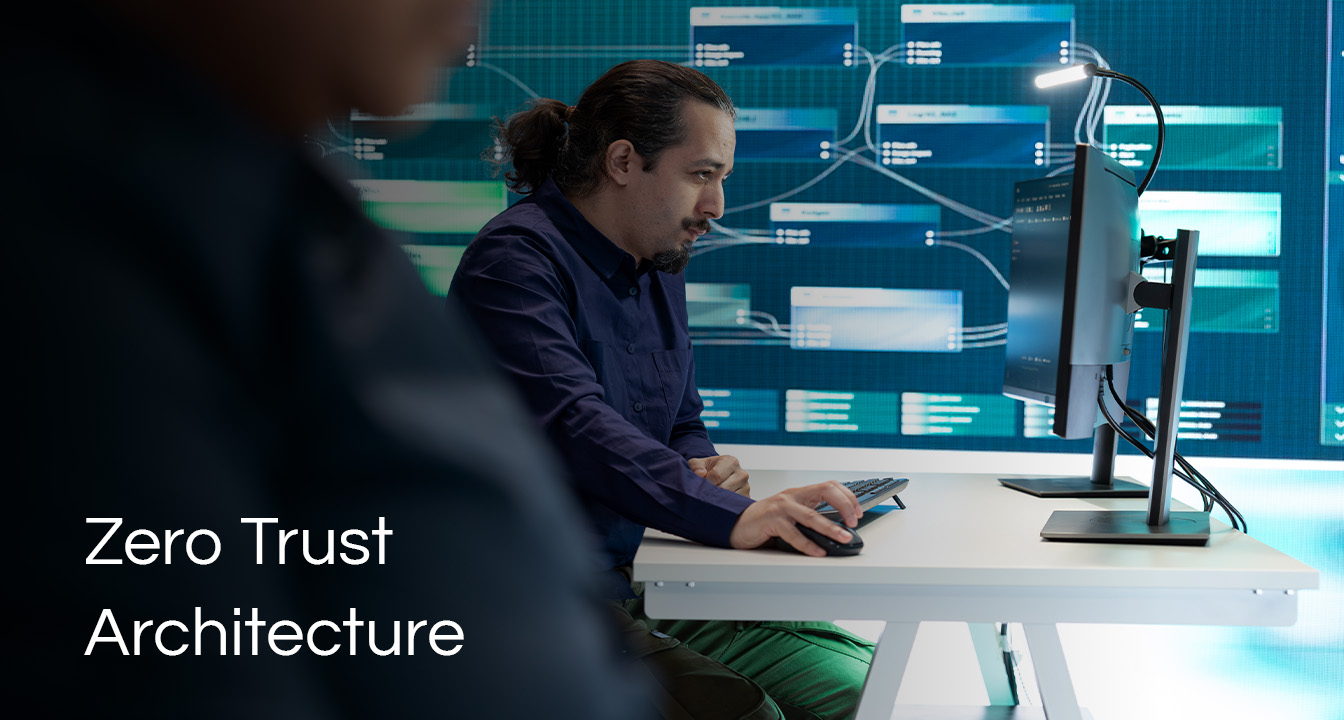
Zero Trust Architecture (ZTA) is no longer just a cybersecurity buzzword—it’s a must-have strategy for organizations operating in today’s distributed and hybrid environments. At its core, Zero Trust means “never trust, always verify.” This model eliminates implicit trust and continuously validates every digital interaction, user identity, and device before granting access.

In 2025, Zero Trust is crucial due to the widespread use of cloud services, remote work, and the increasing threat of insider attacks. Unlike traditional perimeter-based models, Zero Trust does not assume that users inside a network are safe. It authenticates and authorizes every request—whether it’s a local employee or a remote contractor—based on real-time context and behavioral signals.

MegaWire specializes in helping organizations design and deploy Zero Trust frameworks, integrating tools such as identity access management (IAM), micro-segmentation, multi-factor authentication (MFA), and continuous monitoring. This approach ensures minimal attack surface, tighter access controls, and improved resilience against both external and internal threats.

Why is endpoint security more important than ever in 2025, especially with hybrid work models?

As hybrid work becomes the new norm in 2025, endpoint security has become a frontline defense for businesses. Endpoints—laptops, smartphones, tablets, and even smart devices—are now highly susceptible to cyber threats due to frequent connection to both secure enterprise networks and unsecured public or home networks.

With employees accessing sensitive data from multiple locations, the chances of malware infections, unauthorized access, and data leakage have increased significantly. Traditional antivirus solutions are no longer sufficient to counter today’s advanced threats. Businesses need to adopt Endpoint Detection and Response (EDR) solutions that use machine learning and behavioral analytics to monitor, detect, and respond to threats in real-time.

MegaWire delivers enterprise-grade endpoint protection that ensures all employee devices are fully secured, monitored, and compliant with internal security policies. Our endpoint solutions include automatic threat isolation, file integrity monitoring, and remote wipe features—providing peace of mind to IT departments managing decentralized workforces.

What are the top cybersecurity threats in 2025, and how can businesses protect themselves?

In 2025, cybersecurity threats have grown in complexity due to the increasing use of artificial intelligence (AI) by both attackers and defenders. Some of the top threats include AI-driven phishing campaigns, deepfake-based social engineering, ransomware-as-a-service (RaaS), insider threats, and attacks targeting Internet of Things (IoT) devices and cloud infrastructure.

AI-generated phishing emails now mimic human behavior and writing style, making them harder to detect. Deepfake technology is also being used to impersonate C-level executives, tricking employees into sharing confidential data or approving financial transactions. Meanwhile, RaaS allows low-skilled hackers to launch sophisticated ransomware attacks by purchasing malicious tools on the dark web.

To counter these threats, businesses must adopt a proactive and layered security strategy. This includes employee cybersecurity training, next-gen firewalls, regular patch management, endpoint protection, network segmentation, and a strong incident response plan. MegaWire’s cybersecurity team offers 24/7 monitoring, advanced threat detection, and customized solutions to keep your digital infrastructure secure in the evolving threat landscape of 2025.

Phishing in Industrial Operations: Keeping Your Supply Chain Secure

In today’s interconnected industrial landscape, supply chains are the backbone of productivity and profitability. However, the digitization of vendor communications and operational processes has created new vulnerabilities. Among the most pervasive threats are phishing attacks, which target industrial contractors, fabricators, and their supply chains. These cyber threats exploit human error, bypassing even sophisticated systems to steal sensitive data, disrupt operations, or demand ransom.

Phishing campaigns are becoming increasingly advanced, using tailored messages that mimic legitimate communications. For industrial businesses, the stakes couldn’t be higher: a single phishing attack can halt operations, compromise vendor relationships, or expose intellectual property. This article explores the risks of phishing attacks on industrial supply chains and provides actionable strategies to protect critical operations.

Understanding the Threat: Phishing in Industrial Operations

Phishing is a form of social engineering where cybercriminals craft fraudulent messages to manipulate recipients into revealing sensitive information, clicking malicious links, or downloading malware. While phishing is commonly associated with personal email accounts or generic scams, industrial operations are increasingly being targeted due to their reliance on complex vendor networks and digital communications.

Industrial phishing attacks often exploit the following vulnerabilities:

  1. Vendor Communications: Many phishing campaigns impersonate trusted vendors or supply chain partners, sending fake invoices, delivery updates, or payment requests to compromise systems.
  2. Operational Technology (OT): Industrial control systems (ICS) and OT are prime targets for ransomware attacks delivered via phishing emails, threatening production lines and safety mechanisms.
  3. Data Sharing: The exchange of proprietary designs, financial details, or vendor credentials across email or cloud platforms creates multiple opportunities for phishing scams to infiltrate systems.

For industrial contractors and fabricators, the impact of a successful phishing attack can be severe, resulting in costly downtime, loss of customer trust, and compliance violations.

The Risks of Phishing in Industrial Supply Chains

Phishing attacks on industrial supply chains can disrupt operations in several ways:

  1. Disrupted Production Schedules: A ransomware attack triggered by a phishing email can freeze access to essential systems, delaying production schedules and delivery timelines.
  2. Data Breaches: Phishing can expose sensitive vendor or customer data, such as payment details, proprietary designs, and trade secrets, leading to financial loss and reputational damage.
  3. Compromised Vendor Relationships: If an industrial contractor unknowingly passes along malware to their vendors or customers through phishing, it can strain partnerships and result in legal repercussions.
  4. Financial Fraud: Phishing scams often involve fraudulent payment requests or fake invoices. Industrial businesses processing high-volume transactions are especially vulnerable to this type of attack.
  5. Supply Chain Vulnerabilities: Cybercriminals exploit weak links in the supply chain, targeting smaller vendors with fewer cybersecurity measures to infiltrate larger industrial networks.

The stakes are high, but businesses can reduce their risk by taking proactive measures.

Strategies to Secure Your Supply Chain Against Phishing

To protect your supply chain from phishing threats, industrial contractors and fabricators should focus on both technological defenses and employee education. Here are practical strategies to enhance your cybersecurity posture:

  1. Train Employees to Detect Phishing

Human error is the most common entry point for phishing attacks. Training employees to recognize suspicious emails, links, and attachments is your first line of defense.

  • Spot the Signs: Educate your team about red flags like spelling errors, unfamiliar sender addresses, and urgent requests for sensitive information.
  • Simulated Phishing Campaigns: Conduct regular phishing simulations to test employee awareness and reinforce best practices.
  • Reporting Protocols: Establish a clear protocol for reporting suspected phishing emails to your IT or security team.
  1. Implement Strong Email Security Measures

Email remains the primary vector for phishing attacks. Deploying robust email security tools can significantly reduce the risk of malicious emails reaching your team.

  • Spam Filters and Anti-Phishing Tools: Use advanced email filters that flag and quarantine suspicious emails.
  • Sender Verification: Implement Domain-Based Message Authentication, Reporting, and Conformance (DMARC) to verify sender identities and block spoofed emails.
  • Attachment Scanning: Use tools that automatically scan attachments for malware before they are opened.
  1. Use Multi-Factor Authentication (MFA)

Even if a phishing attack compromises login credentials, MFA adds an additional layer of security. Requiring users to provide two or more forms of authentication—such as a password and a one-time code sent to a mobile device—makes it significantly harder for attackers to gain access.

  1. Safeguard Vendor Communications

Industrial supply chains often involve multiple vendors, making it critical to secure communications with third parties.

  • Encrypt Communications: Use secure email encryption for sensitive communications with vendors.
  • Verify Requests: Implement a standard protocol for verifying unusual or high-value requests, such as contacting the vendor directly via a trusted phone number.
  • Segment Vendor Accounts: Restrict access to your network based on roles and responsibilities, minimizing the impact of a compromised account.
  1. Leverage Managed Security Services

Partnering with a managed security services provider (MSSP) can help industrial contractors and fabricators maintain robust cybersecurity measures without straining internal resources. MSSPs can provide:

  • 24/7 Threat Monitoring: Constantly monitor your network for signs of phishing or other cyber threats.
  • Incident Response Plans: Quickly contain and mitigate the impact of a phishing attack.
  • Ongoing Security Assessments: Regularly evaluate your systems for vulnerabilities and provide recommendations for improvement.
  1. Conduct Regular Penetration Testing

Simulating phishing attacks and other cyber threats through penetration testing can help you identify vulnerabilities before they are exploited by malicious actors. This proactive approach ensures your defenses are effective and up to date.

  1. Secure Network Infrastructure

Network security is a cornerstone of preventing phishing attacks. By ensuring a secure network environment, you can reduce the risk of unauthorized access and malware propagation.

  • Firewall and Intrusion Detection Systems: Deploy firewalls and intrusion detection/prevention systems (IDS/IPS) to monitor network traffic and block suspicious activity.
  • Network Segmentation: Divide your network into segments to isolate critical systems and reduce the impact of a phishing attack.
  • Secure Network Cabling: Use structured cabling solutions that minimize vulnerabilities in physical network infrastructure.

The Role of Data Security in Combating Phishing

Beyond email and network security, data security plays a crucial role in mitigating the impact of phishing. Encrypting sensitive data ensures that even if it is intercepted, it cannot be used without the decryption key. Additionally, implementing regular data backups protects your business from data loss in the event of ransomware attacks.

Preparing for the Future: Cybersecurity Trends in Industrial Operations

As phishing attacks become more sophisticated, industrial businesses must stay ahead of emerging threats. The integration of artificial intelligence (AI) and machine learning into phishing campaigns is a growing concern. AI-powered attacks can create highly convincing phishing messages, making detection more challenging.

To combat these threats, industrial contractors should consider adopting AI-driven cybersecurity tools. These tools can analyze email patterns, detect anomalies, and provide real-time alerts for potential phishing attempts.


Phishing attacks pose a serious threat to industrial contractors and fabricators, with the potential to disrupt supply chains, compromise data, and damage vendor relationships. However, by implementing a combination of employee training, email security measures, managed security services, and advanced network protections, businesses can significantly reduce their risk.

In today’s interconnected world, cybersecurity is no longer optional—it’s a necessity. By prioritizing phishing prevention and supply chain security, industrial businesses can ensure operational continuity, protect sensitive data, and maintain their reputation in an increasingly competitive market. Stay vigilant, stay secure, and keep your supply chain running smoothly.

_____________________________________________________________________________

Schedule a call today with one of our team members to discuss your Managed IT services needs with Megawire – For more details, Click Here.

_____________________________________________________________________________

This blog is not meant to provide specific advice or opinions regarding the topic(s) discussed above. Should you have a question about your specific situation, please discuss it with your Megawire IT advisor.

Megawire is a full-service Managed IT services provider. We primarily service all of Ontario and the rest of Canada, the US, and Australia virtually. Our team provides IT infrastructure assessments, network security audits, cloud computing solutions, and IT support for businesses of all sizes and industries.

If you would like to schedule a call to discuss your Managed IT services with one of our team members, please complete the free no-obligation meeting request. – For more details, Click Here.

What should manufacturers look for in managed IT contracts post-2025?

As technology becomes the backbone of industrial performance, manufacturers in the post-2025 era must approach managed IT contracts with a strategic lens. These agreements are no longer just about outsourced support—they define the agility, security, and efficiency of your digital operations.

The first priority is clarity of service scope. Contracts should clearly define whether support includes hybrid cloud management, edge computing, OT integration, and AI-powered monitoring. Manufacturers should also ensure the provider offers 24/7 availability and rapid response SLAs, especially for mission-critical production systems.

Security and compliance clauses are a must. Contracts should detail how the provider handles data privacy, threat detection, vulnerability patching, and response to breaches. Manufacturers should also ensure alignment with standards like ISO 27001, NIST, and IEC 62443. Clauses covering incident response times, forensic support, and audit readiness are crucial.

Another key factor is scalability. The ideal IT partner should offer flexible pricing models and technical capacity to scale up during expansions, new plant launches, or increased digital demand. Look for contracts that support infrastructure audits, on-demand consulting, and modular services.

Performance transparency is also vital. Contracts should include monthly reporting on uptime, ticket resolution times, bandwidth usage, and security events. Some providers offer self-service dashboards for real-time visibility, which enhances trust and decision-making.

Lastly, seek strategic value beyond basic support. A forward-thinking MSP will offer guidance on technology roadmaps, cloud migration strategies, AI integration, and digital transformation.

Post-2025, managed IT contracts should serve as long-term partnerships. They must balance technical depth, business alignment, and future-readiness—ensuring manufacturers can innovate without IT becoming a bottleneck.

What is OT-IT convergence, and how are managed IT services preparing for it in 2026?

OT-IT convergence refers to the integration of Operational Technology (OT)—the hardware and software used to monitor and control industrial processes—with Information Technology (IT), which manages data, networks, and applications. In 2026, this convergence is no longer optional. It’s essential for smart factories aiming for end-to-end visibility, automation, and data-driven efficiency.

However, bridging the OT-IT gap comes with challenges. OT environments often consist of legacy systems that were never designed to connect to the internet. These systems lack modern security controls and are highly sensitive to downtime. On the other hand, IT infrastructure is designed for flexibility, updates, and rapid communication.

Managed IT Services are rising to the challenge by offering cross-domain expertise. Providers are building teams familiar with both sides—engineers who understand PLCs, SCADA systems, and industrial protocols like Modbus and OPC-UA, as well as specialists in networking, cybersecurity, and cloud infrastructure.

One major focus is on securing the convergence layer. This includes deploying firewalls between IT and OT networks, segmenting assets, using identity-based access control, and enabling secure remote access. Managed services are also implementing real-time monitoring tools that can identify anomalies across both IT and OT environments—essential for early threat detection.

How does AI-driven infrastructure management change IT service models in 2025?

In 2025, AI is no longer a buzzword—it’s a foundational component of modern infrastructure management. As businesses adopt complex hybrid environments, the sheer volume of devices, data, and performance metrics makes manual monitoring impractical. AI-driven infrastructure management transforms traditional IT service models by introducing speed, automation, and strategic insights at scale.

One major change is the shift from reactive to predictive support. AI tools can analyze thousands of system logs, performance indicators, and user behaviors in real-time to detect anomalies before they cause downtime. This proactive monitoring drastically reduces incidents, improves SLAs, and frees IT staff from firefighting.

Automation is another key benefit. AI-powered systems can automatically resolve common issues—such as restarting services, reallocating cloud resources, or balancing network loads—without human intervention. This not only reduces costs but ensures continuity during high-demand periods.

AI also enhances capacity planning and optimization. Using historical data and trend analysis, it helps IT teams forecast infrastructure needs based on seasonal demand, user growth, or product launches—ensuring resources are provisioned smartly.

Additionally, AI brings real-time decision support to IT managers. Dashboards driven by machine learning continuously evaluate network health, suggesting configurations or updates to optimize performance, security, and cost-efficiency.

The role of Managed IT Services evolves in this model. Instead of just monitoring and maintaining infrastructure, service providers become technology advisors, guiding AI implementation, training algorithms, and helping organizations adopt AIOps platforms.

In essence, AI transforms infrastructure management into an intelligent, self-healing ecosystem. For manufacturers and enterprises alike, this means faster resolutions, smarter planning, and scalable IT operations aligned with their digital future.

Zero-trust Architecture and AI: The Path to Safer Construction Networks

The construction industry is becoming increasingly reliant on digital technologies, from cloud-based project management systems to IoT devices monitoring job site conditions. While these innovations enhance efficiency, they also create vulnerabilities in data security, especially for companies managing sensitive information and high-value assets.

In this rapidly evolving landscape, zero-trust architecture is emerging as a critical framework for protecting construction networks. Unlike traditional security models that rely on perimeter defences, zero-trust assumes that threats can originate from anywhere—inside or outside the network. Combining this framework with AI risk management enables construction companies to secure data across cloud and on-prem environments, automate risk assessments, and implement granular access controls.

This article explores how zero-trust architecture and AI can safeguard construction operations, particularly in large-scale structured cabling projects, where robust network cabling is critical for maintaining secure and efficient workflows.

The Need for Zero-trust in Construction Cybersecurity

Construction companies handle a wealth of sensitive data, including project designs, financial transactions, and client contracts. As job sites become more connected, this information is increasingly at risk from cyberattacks.

Key Cybersecurity Challenges in Construction

  1. Distributed Workforces
    With teams spread across job sites, offices, and remote locations, managing secure access to resources is complex.
  2. Integration of IoT Devices
    Smart sensors and devices improve operational efficiency but also expand the attack surface, creating challenges for network security.
  3. Cloud Reliance
    Many construction firms use cloud-based platforms for collaboration and data storage, exposing them to potential breaches.
  4. Supply Chain Vulnerabilities
    Subcontractors and vendors with weak security protocols can introduce risks to the broader network.

Traditional perimeter-based defenses are ill-suited to address these challenges. A zero-trust approach, coupled with AI, provides a more comprehensive solution.

Understanding Zero-trust Architecture

Zero-trust is a cybersecurity model based on the principle of “never trust, always verify.” It requires continuous authentication, strict access controls, and real-time monitoring to ensure that only authorized users and devices can access resources.

Core Principles of Zero Trust

  1. Verify Explicitly
    Always authenticate and authorize based on all available data points, including user identity, location, and device health.
  2. Limit Access with Least Privilege
    Grant users and devices the minimum access necessary to perform their tasks, reducing the risks to data security.
  3. Assume Breach
    Design networks with the expectation that breaches will occur, and segment resources to minimize the impact.

For construction network operators, implementing zero-trust means protecting both digital and physical infrastructure, including structured cabling and network cabling systems.

The Role of AI in Zero-trust Implementation

AI plays a pivotal role in enabling zero-trust architecture, particularly for large and dynamic environments like construction networks. By automating complex processes and providing real-time insights, AI enhances the effectiveness of zero-trust strategies.

AI Risk Management

  1. Automated Risk Assessments
    AI analyzes vast amounts of data to identify vulnerabilities and prioritize risks. For example, it can detect outdated software or misconfigured network cabling that might expose the network to attacks.
  2. Behavioral Analytics
    AI monitors user behavior to identify anomalies, such as unusual login times or access requests, and flags potential security threats.
  3. Threat Prediction
    Machine learning models predict emerging threats based on historical data, enabling proactive defense measures.

Granular Access Controls

AI helps enforce granular access controls by dynamically adjusting permissions based on risk levels. For example:

  • A subcontractor accessing project files from an unfamiliar device might require additional authentication.
  • Access to sensitive financial data could be restricted to specific job roles or locations.

These capabilities ensure that access is granted securely without disrupting workflows.

Securing Large-Scale Structured Cabling Projects

Structured cabling serves as the backbone of construction networks, supporting data transmission and connectivity across job sites and offices. However, improperly managed cabling can introduce physical and digital vulnerabilities.

How Zero-trust Enhances Cabling Security

  1. Segmenting Networks
    Zero-trust principles can be applied to network cabling by segmenting physical and virtual networks. This limits the spread of malware or unauthorized access in case of a breach.
  2. Real-Time Monitoring
    AI-powered tools monitor the performance and security of cabling systems, identifying issues like tampering or data flow anomalies.
  3. Device Authentication
    Every device connected to the cabling system is authenticated and continuously monitored, ensuring that unauthorized devices cannot access the network.
  4. Role-Based Access
    Access to critical cabling infrastructure, such as control panels and switches, is restricted based on job roles and verified through AI-driven authentication protocols.

By integrating zero-trust architecture into structured cabling projects, construction companies can build networks that are both efficient and secure.

Actionable Steps for Implementing Zero-trust and AI

To successfully adopt zero-trust architecture and AI, construction companies should follow these key steps:

1. Conduct a Security Assessment

  • Identify all users, devices, and applications accessing the network.
  • Evaluate vulnerabilities in existing data security protocols, including network cabling configurations.

2. Establish Identity and Access Management (IAM)

  • Implement multi-factor authentication (MFA) for all users.
  • Use AI to automate role-based access controls and continuously validate user behavior.

3. Segment Networks

  • Divide networks into smaller zones based on sensitivity and function.
  • Use firewalls and virtual LANs (VLANs) to enforce segmentation.

4. Leverage AI for Continuous Monitoring

  • Deploy AI tools to analyze network traffic and detect anomalies.
  • Use machine learning to predict potential vulnerabilities and automate threat responses.

5. Partner with Internet Security Companies

  • Collaborate with managed security services or computer security companies to gain access to specialized expertise, advanced tools, and continuous monitoring.

6. Educate Employees and Stakeholders

  • Provide training on cybersecurity best practices and the importance of zero-trust principles.
  • Conduct regular drills to ensure readiness for potential incidents.

Case Study: Enhancing Security for a Construction Firm

A construction company managing a multi-site project faced challenges in securing its cloud-based management platform and network cabling infrastructure. By adopting zero-trust and AI solutions, the company achieved:

  1. Granular Access Controls:
    AI-driven IAM restricted access to sensitive data, such as client contracts and financial records, based on user roles and verified credentials.
  2. Enhanced Cabling Security:
    The firm segmented its network using VLANs and monitored cabling systems for tampering or performance issues.
  3. Automated Threat Detection:
    AI tools identified unusual login attempts from a compromised subcontractor account and blocked access before any damage occurred.

These measures reduced the company’s exposure to cyber threats and ensured uninterrupted operations.

Zero-trust architecture, combined with AI, offers construction network operators a robust framework for securing data and infrastructure in an increasingly connected world. By implementing granular access controls, automating risk assessments, and securing structured cabling systems, construction companies can protect high-value assets and maintain operational integrity.

As cyber threats continue to evolve, embracing zero-trust principles and leveraging AI-driven tools are not just best practices—they are essential for ensuring construction cybersecurity. With proactive planning and collaboration with experts, companies can build networks that are both efficient and resilient, paving the way for safer and more secure construction projects.


_____________________________________________________________________________

Schedule a call today with one of our team members to discuss your Managed IT services needs with Megawire – For more details, Click Here.

_____________________________________________________________________________

This blog is not meant to provide specific advice or opinions regarding the topic(s) discussed above. Should you have a question about your specific situation, please discuss it with your Megawire IT advisor.

Megawire is a full-service Managed IT services provider. We primarily service all of Ontario and the rest of Canada, the US, and Australia virtually. Our team provides IT infrastructure assessments, network security audits, cloud computing solutions, and IT support for businesses of all sizes and industries.

If you would like to schedule a call to discuss your Managed IT services with one of our team members, please complete the free no-obligation meeting request. – For more details, Click Here.
What are the top IT support challenges for smart manufacturing networks in 2026?

As smart manufacturing matures in 2026, IT support faces a new generation of complex challenges. These aren’t just technical—they’re strategic, regulatory, and operational. With the widespread adoption of Industry 4.0 technologies, real-time connectivity, and OT-IT integration, manufacturers need advanced, responsive, and secure IT support systems.

One of the biggest challenges is maintaining real-time system uptime. Smart factories rely heavily on synchronized data exchange between sensors, PLCs, MES systems, and cloud platforms. Any latency or network failure can disrupt production lines and result in significant losses. IT support must be proactive and use predictive tools to avoid downtime.

Cybersecurity is another critical challenge. As factories connect to the internet and cloud services, they become targets for ransomware and industrial espionage. Support teams must now handle threat hunting, incident response, and patch management across both IT and OT layers, where legacy systems may not be easily updatable.

Another growing concern is interoperability. Smart factories often involve multiple vendors and legacy hardware. IT support teams must bridge gaps between new and old systems, ensuring smooth communication between different protocols, platforms, and APIs.

Talent and scalability are also pressing issues. As factories expand, internal IT departments often struggle to scale support operations, especially in remote or multi-site environments. This has accelerated the need for Managed IT Services that can offer 24/7 remote monitoring, automation, and field support.

Finally, compliance is tightening. With global standards like ISO 27001 and IEC 62443 becoming non-negotiable, IT support must ensure all systems meet strict audit and documentation requirements.

In 2026, the role of IT support is no longer just operational—it’s mission-critical, driving both production efficiency and business continuity in the smart manufacturing era.

GET IN TOUCH

CONTACT US

End-To-End Private Cloud & Infrastructure As A Service


For inquiries, please leave us your details.